

A Runway To The Future At Grand Junction Regional Airport
Big changes are taking shape just north of the existing runway at Grand Junction Regional Airport (GJT), and they are coming sooner than expected. In 2025, GJT received about $55 million in Federal Aviation Administration (FAA) grants, including an additional $38 million dedicated to paving work, for a new primary runway. For a regional airport, this is a major win with long-term ripple effects for safety, travel and the local economy.
“This grant is important for a few reasons,” says Angela Padalecki, chief executive officer of the GJT. “First, it provides significant funding years earlier than what the FAA had previously planned.” That timing matters. With funding arriving ahead of schedule, the airport can accelerate construction and potentially open the new runway as early as 2028, two years earlier than the original 2030 target.
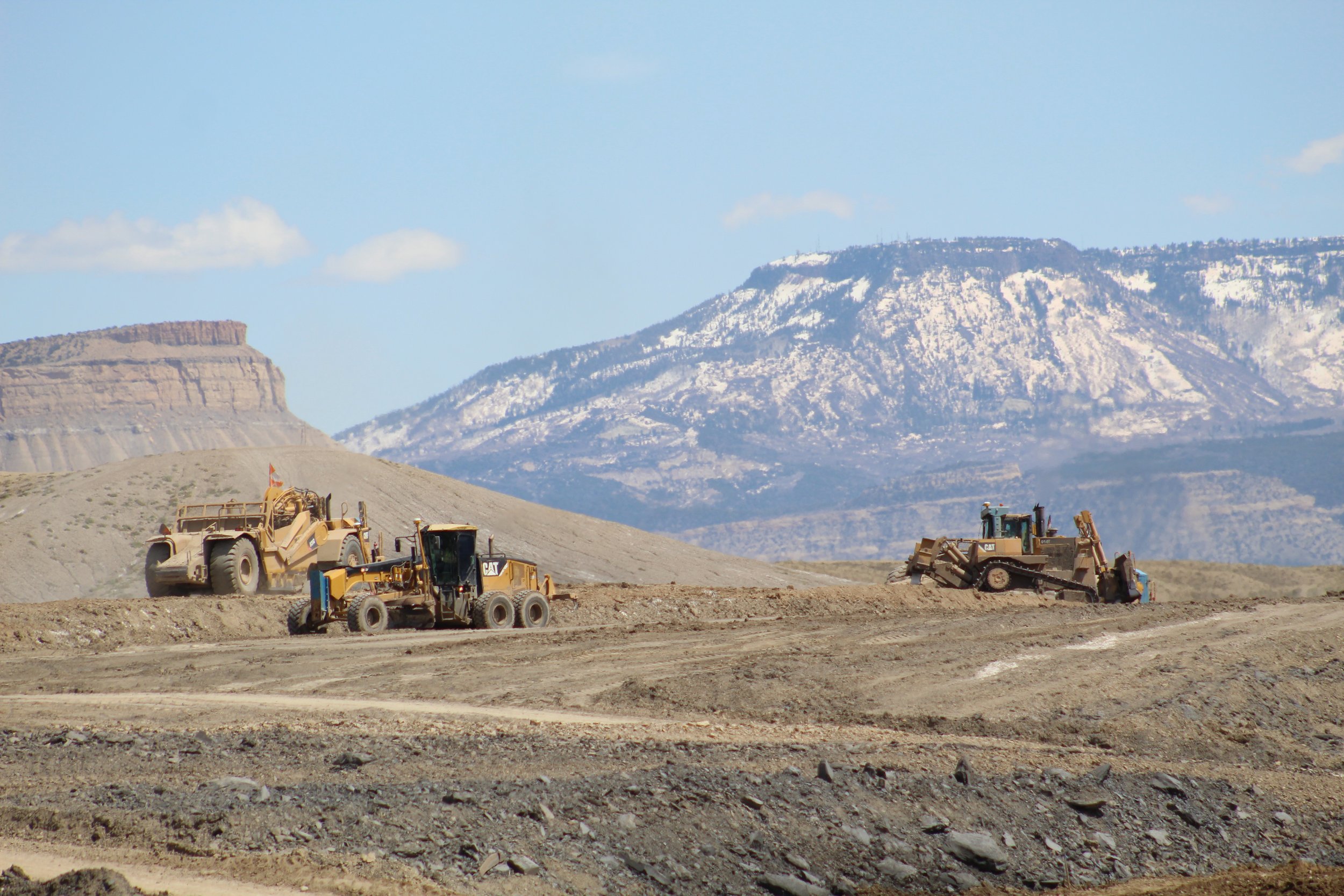
Virtually all of the work to date has been completed by Colorado contractors. Photos courtesy of Grand Junction Regional Airport.
The runway replacement project is large and complex with total costs expected to exceed $200 million, but Padalecki emphasizes that the financial burden on the airport itself is far smaller. “The scale of the project demands we rely on grants,” she says. “The total project costs will likely exceed $200 million, but costs to the airport are strictly our matching contributions which will be less than $20 million.” Those funds are generated through airport user fees rather than local tax dollars, and both federal and state aviation grants come from aviation excise taxes rather than general government funds.
Beyond infrastructure, the economic impact is already being felt locally. “Virtually all of the work to date has been completed by Colorado contractors, and all of the construction has obviously been in Grand Junction,” Padalecki says. “An influx of an extra $200 million into the Grand Junction economy is powerful.” Because the funding is aviation-specific, she notes that it does not compete with other projects in the valley and instead adds to the region’s overall growth.
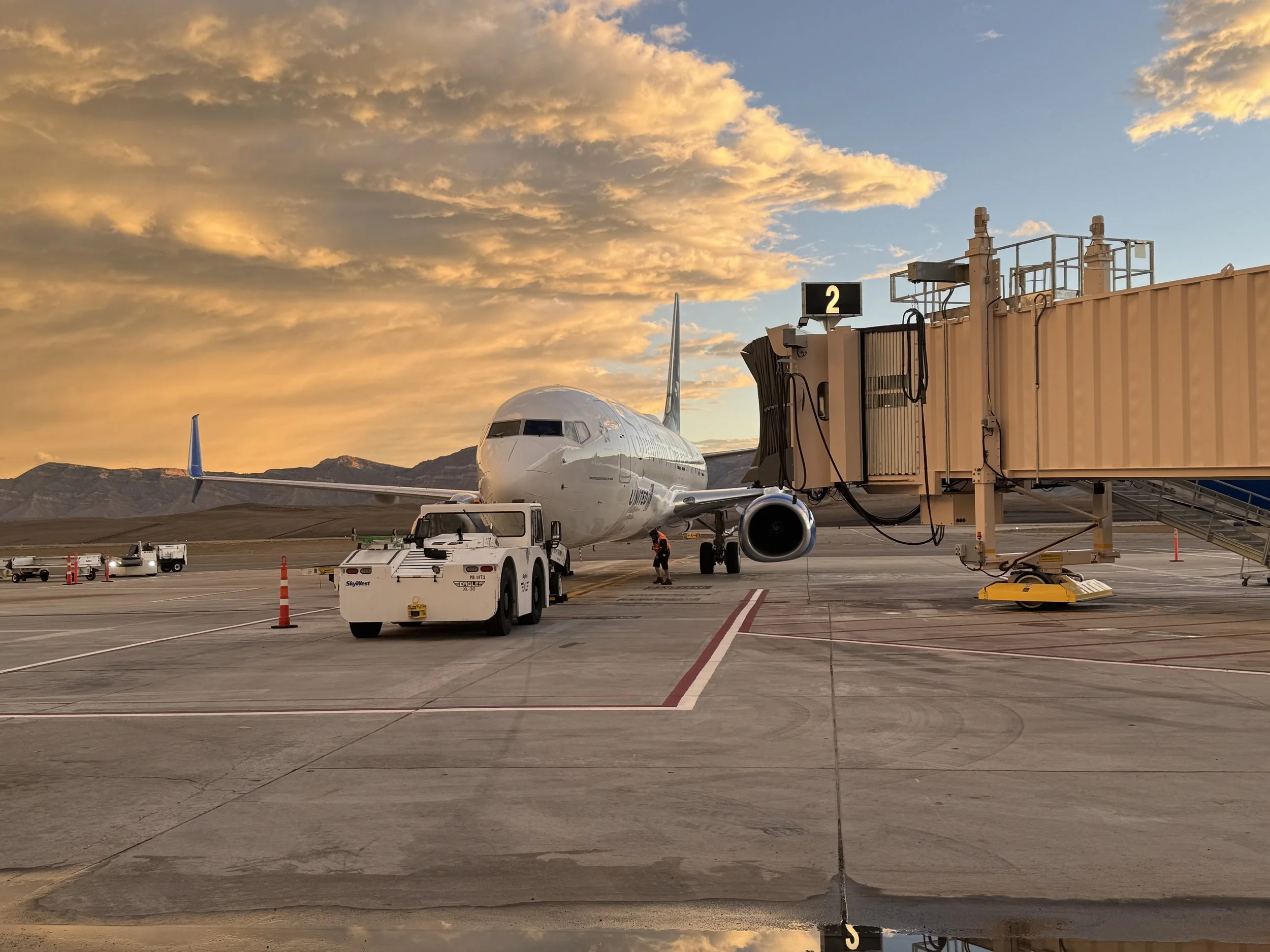
Grand Junction Regional Airport
From an operational standpoint, the new runway is designed to maintain what already sets GJT apart. The airport’s primary runway is the largest between Denver, Salt Lake City and Phoenix, and can accommodate nearly every aircraft flying today even in summer heat. The replacement runway will match that size at 10,500 feet long and 150 feet wide, and will sit parallel to the existing one, allowing the airport to avoid shutting down operations during construction. “We are building a replacement runway to minimize operational impacts during construction and bring the primary runway up to current safety standards,” Padalecki says.
Community members should not expect major disruptions anytime soon. With dirt work complete and paving set to begin after bids went out in early 2026, most visible activity will simply be the sight of progress from the air. Some runway closures may occur closer to the planned late 2028 opening, but the airport is focused on minimizing impacts to travelers.
Looking ahead, Padalecki sees the project as foundational to Western Colorado’s future. “The new runway opening should set the community up with a runway that can carry it another 50 years into the future,” she says, adding a favorite aviation saying: “One mile of road can take you one mile, but one mile of runway can take you anywhere.” At GJT, that runway will remain two miles long and ready to take the region wherever it needs to go next.
Originally published in the spring 2026 issue of Spoke+Blossom.