
Banned Books: Who Gets To Decide What We Read?
Modern life is to be spoiled for choices. A diversity of restaurants, stores, scientific studies and bird identification apps have all but filled every corner of our lives.
In the realm of media, this comes in the form of vast streaming service collections, which more often than not are called “libraries.” The name speaks to the prototypical home of diversity of choice: the public library.
The first public lending library, the Franklin Public Library in Franklin, Massachusetts, is lauded as the first resource of its kind in the U.S. Since its inception in 1790, the model has spread across the country to encompass over 100,000 public, school and government libraries (according to estimates by the American Library Association).
The books are even more voluminous. Colorado itself is home to some 270 public libraries, with over 10 million physical books in its collections. This diversity of choice is likely the very virtue which has helped the American public library reach every corner of the country. Choice.

James Larue’s book On Censorship is accompanied by a few of the most challenged books of 2024. Photo by Nickolas Paullus.
FROM CHOICE TO CONTROL
And yet, despite this celebration of a plurality of voice and subject, the library has faced one particular boogeyman since its inception: censorship.
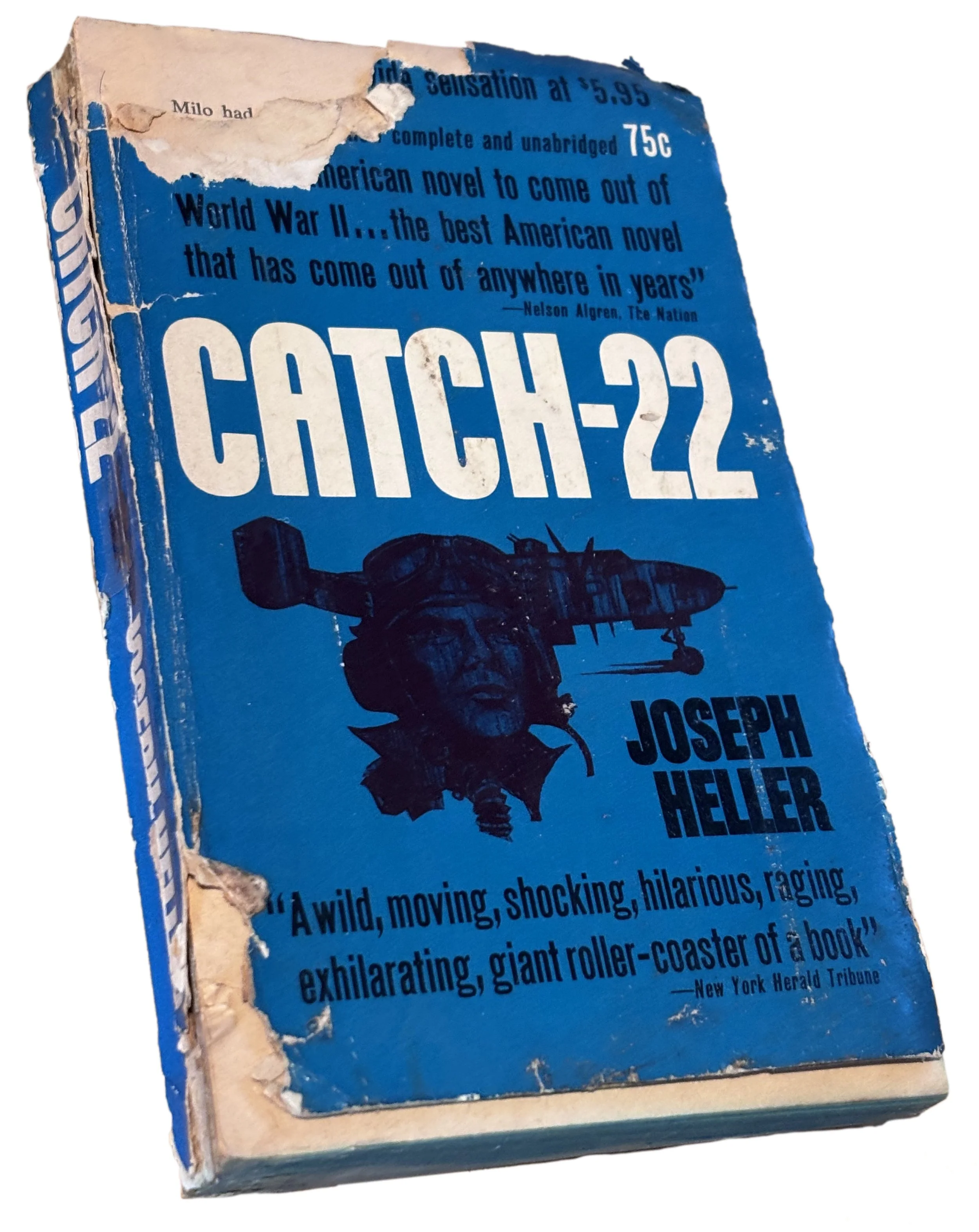
Many works through the 18th and 19th centuries were publicly scrutinized, and ultimately banned. Religious critique, racial commentary and contraception were all challenged, and in certain instances banned, throughout the country. This pattern continued throughout the 20th century in the U.S., with such classics as Catcher in the Rye, Catch-22 and Tropic of Cancer often at the forefront of challenges.
Much of the rhetoric then, as well as now, has centered on notions of decency, and child protection.
In the 1990s, Focus on the Family, a conservative evangelical church in Colorado Springs, came to cultural prominence in the region. In neighboring Douglas County, James LaRue (the current, but soon to be retired, director of the Garfield County Public Library here on the Western Slope), faced a concerted effort from the group and its followers, fielding nearly a challenge a week. Most of these challenges were focused on children’s books with LGBTQ+ themes.
LaRue, a long-time librarian, administrator and former executive director of the American Library Association’s Office for Intellectual Freedom, says that some alleged the material was pornographic, age inappropriate and that pro-censorship rhetoric was supposedly about keeping children safe.
MORAL PANIC MEETS THE LIBRARY
And yet, as LaRue recounts in his book, On Censorship: A Public Librarian Examines Cancel Culture in the U.S., the protest was about informational conservatism. Focus on the Family, and like groups around the country, encouraged families to forgo libraries altogether, to fight liberal ideologies, a “gay agenda,” and used morality to justify this censorship.
This is highly reflective of the modern culture of book banning and censorship. Moral imperatives, decency and safety. These are concerted group efforts at censorship, often political or religious oriented — no matter if books are educational, autobiographical, classic or contemporary. Censorship becomes an action of moral imperative, a suggestion that there is an objective good and bad, and that the groups proposing the bans are sole custodians of that absolute.
And yet while much of the rhetoric is conservative, this same imperative comes from the other side of the aisle as well.
Classic American literature is ripe with misogyny and racism, because the landscape, the time period itself, was ripe with those biases. That reality is challenged often, whether in popular instances like Mark Twain’s novels, Dr. Seuss’ early work and Harper Lee’s To Kill a Mockingbird. There’s valid critique to these works, what with slurs, white savior narratives and abundant stereotypes.
Much of historical censorship, however, centers on whitewashing the past. Without contemporary art reflective of the antebellum South, anti-Civil Rights sentiment and the like, that reality and its repercussions can be glossed over or suppressed altogether.
“How does it protect a child, to keep them ignorant?” asked LaRue when questioned about challenges related to decency and appropriateness. Much of library advocacy stems from the notions that awareness and exposure to loaded topics — such as abuse, bigotry, gender identity or sex education — is important. Power, compassion, belonging and safety are rooted in education and awareness. Not ignorance.
The American landscape is diverse, much more so than it was even 100 years ago. The material in the library, if it is to be contemporary and valuable, needs to reflect those shifting demographics, ideologies and interests. LaRue stresses that a library is not a static space, but ever changing, with materials having a “definite lifespan” before new books, voices and topics take their place.
In response to censorship, book bans and challenges, those who advocate for intellectual freedom are organizing as well.
“Book bans have mobilized, have even radicalized librarians,” says LaRue. The rhetoric of public libraries has always been centered on freedom of information and freedom of access. And so many librarians have bound together to protect their hallowed institutions.
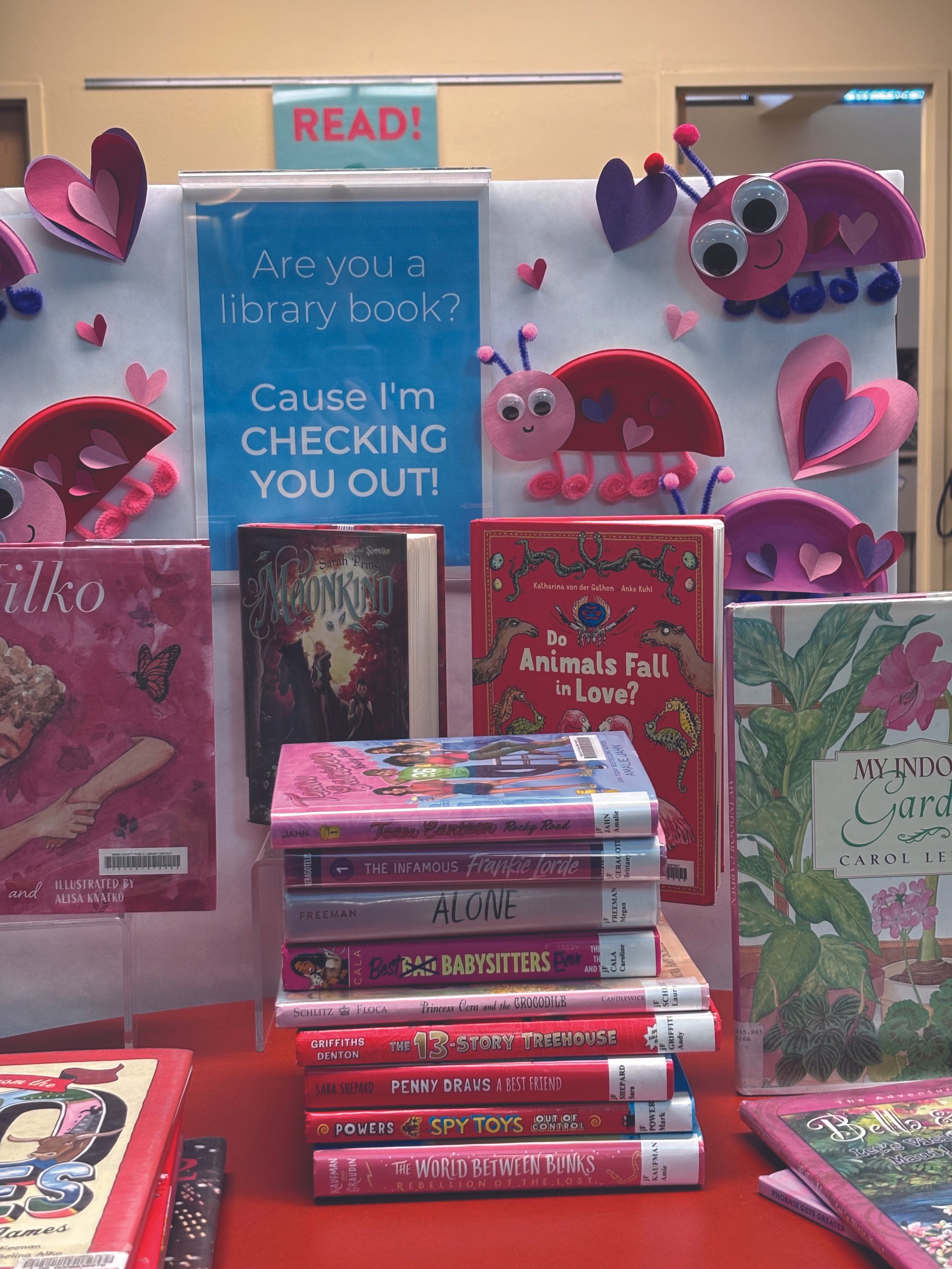
Mesa County Libraries have never had a book banned. However, there is a formal Request for Reconsideration process that allows community members to raise concerns about specific titles. When a form is submitted, the book is reviewed by a team of library staff who evaluate criteria such as circulation rates (is it wanted by the community?), scholarly reviews (how it was rated and for which audience) and, at times, how other libraries categorize the title. The team also considers the principles outlined in the Freedom to Read statement. Photo by Kitty Nicholason.
According to PEN America (a non-profit dedicated to intellectual freedom), some 6,800 books were banned in school libraries in 2024-2025. In response, school librarians across the nation banded together — groups like the Freedom Fighters in Texas, which formed after the state drafted a list of over 800 books that were to be removed from school library shelves.
The struggle is national, international even, and PBS even produced a documentary called The Librarians, highlighting grassroots movements to protect libraries. Close to home, here on the Western Slope, each and every library system has faced challenges. Nearby Utah and Idaho are two of the states spearheading massive book bans, and as such Western Colorado is a new front on the battle against censorship.
LIBRARIES ON THE FRONT LINE
LaRue highlights that one tactic censorship groups use is to focus on staff and administration, leveraging county and local politics to propel those with a similar agenda into libraries. In late 2025, Mesa County Libraries became the focal point of one such regional battle.
In December, the county commissioner appointed two new trustees to the Mesa County Library Board of Trustees. In the aftermath, at a crowded public hearing, discourse ranged from questions about a suspect appointment process, risks of ideological censorship, worries of a partisan board and access for marginalized communities.
When personal ideology informs library curation, diversity of voice is stifled. LaRue suggests there are four paths of censorship, including personal prejudice, parental panic and demographic panic. The fourth is “a will to power.” When books about race and gender are disproportionately those that are banned, it is clear that marginalized groups are most at risk. Censorship seeks to maintain a status quo, an intellectual monopoly, free of inclusivity.
“We should be centering new narratives, but instead of catering to shifting demographics, there’s a push to tighten down,” shares LaRue.
The stacks of a library are a microcosm of our wildly diverse reality. And to censor that reality is to flatten, to cheapen what makes life so vibrant.
So, support your local library, fight censorship and advocate for intellectual freedom. Consider joining a library advocacy group and attend your local library board meetings. Show appreciation for your local library and librarians. And check out banned books, marginalized books, diverse books and read. Read.
Originally published in the spring 2026 issue of Spoke+Blossom.