

‘Best In The World’ Business Incubator Center: Celebrating 40 Years Of Helping Western Slope Entrepreneurs Thrive
Colorado’s Western Slope went from boom to bust overnight when ExxonMobil Corporation abruptly pulled its Colony Shale Oil Project from the region in 1982, leaving thousands of people suddenly out of work. Home foreclosures skyrocketed, businesses closed and thousands of people left the region to seek work elsewhere.
However, a group of local community leaders, who initially called themselves the “Kitchen Table Group” envisioned economic stability for Western Colorado. These hopeful visionaries began meeting at people’s homes to discuss ways to encourage startups and grow existing businesses during a down economy. They raised money to start a loan program, formed a board of directors and in 1986, founded the nonprofit Western Colorado Business Development Corporation, more commonly known as the Business Incubator Center (BIC).
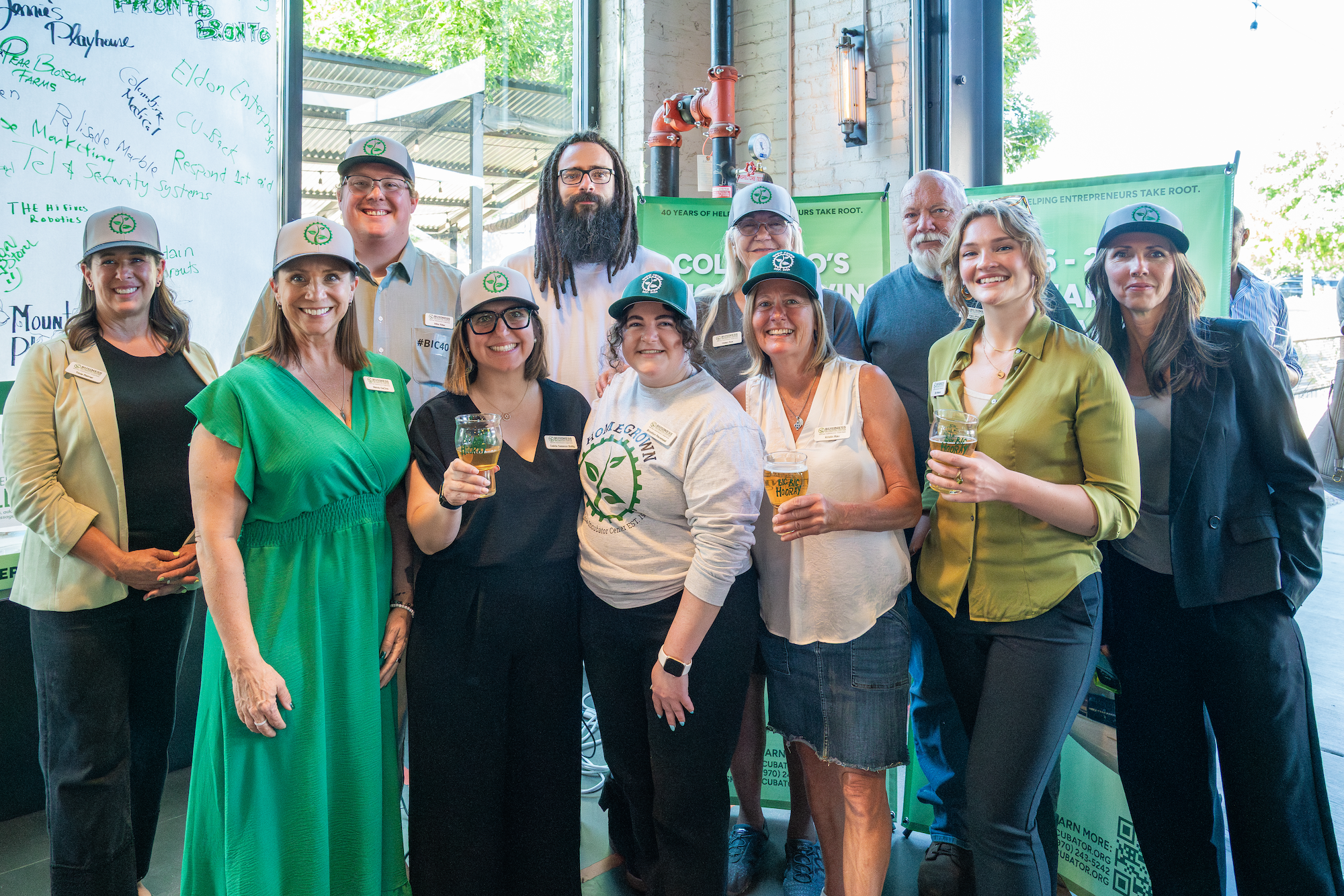
Business Incubator Center (BIC) staff; Front row: Tricia Raimer, Mandy DeCino, Dalida Sassoon Bollig, Brooklyn Reuwsaat, Kristin Rau, Elle Weiland, Robyn Miley. Back Row: Mike Ritter, Trevor Banks, Helen Roe, Ken Short. Staff missing from photo: Ialiyah Mondragon, Glenn Fontelera.
TURNING ADVERSITY INTO OPPORTUNITY
In addition to celebrating its 40th anniversary this year, BIC was awarded “Best Incubator in the World” in 2026 by the International Business Innovation Association, which has 1,200 members in 33 countries. Each year, the organization recognizes excellent entrepreneurship centers it says are providing the foundation for regional economic growth in communities worldwide.
“I believe we were recognized as the top incubator in the world because of our track record of building entrepreneurial ecosystems within our communities,” says Dalida Sassoon Bollig, BIC CEO. “For 40 years, we’ve built an integrated model that combines coaching, capital, innovation, business acumen, space, resources and community support to help entrepreneurs succeed at every stage of business growth.”
The BIC has helped create 14,657 jobs, facilitated more than $213 million in capital formation, added more than $679 million in increased regional sales and created $113 million in tax revenue. An approximate one-third of all Mesa County businesses have received support from BIC programs.
“It’s a common misunderstanding that the Business Incubator only works with startups; actually, we work with the entire spectrum of entrepreneurship,” Bollig says. “We work with entrepreneurs regardless where they are in their entrepreneurial journey.”
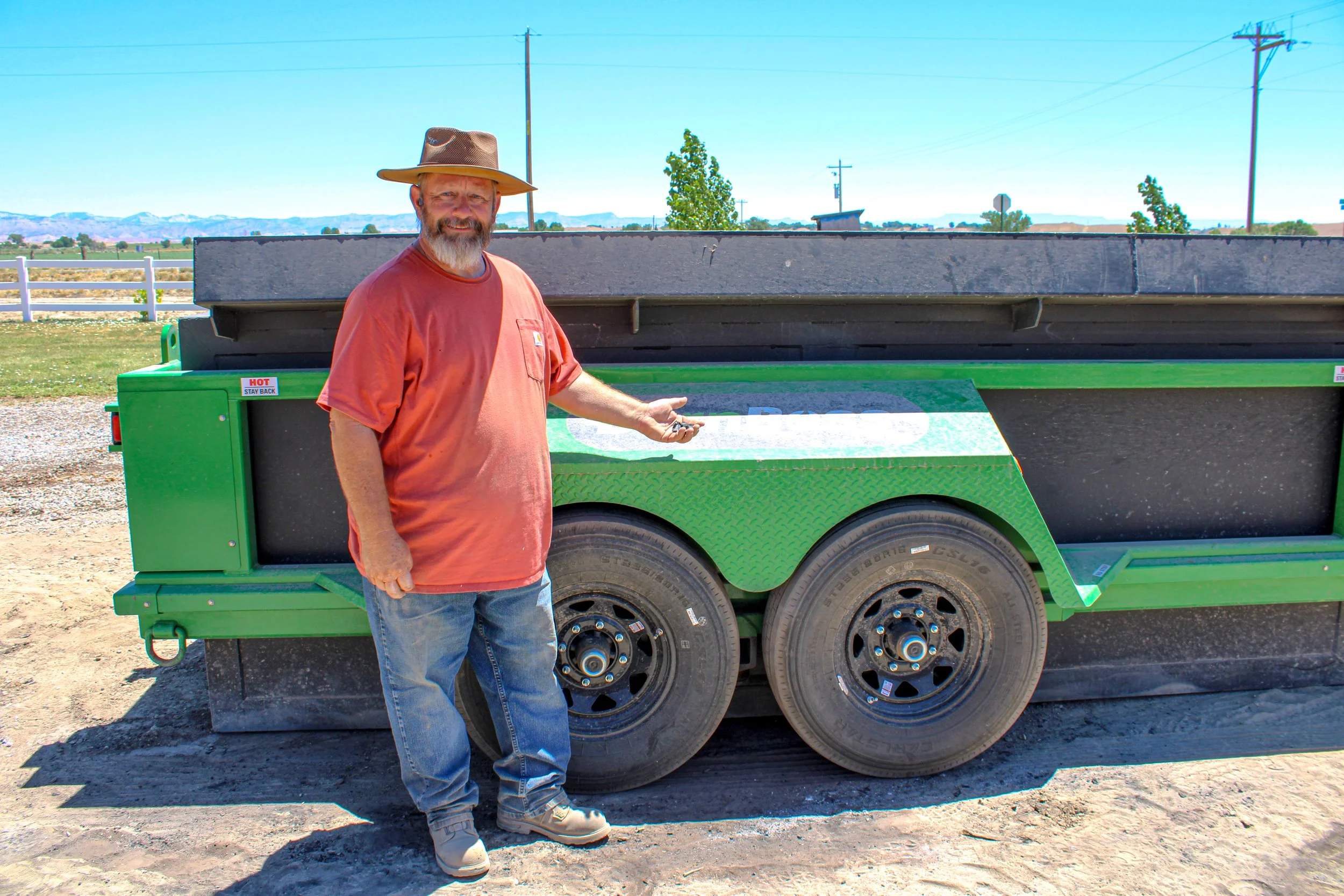
Kyle Andrews owns ECOburn with his father, Robert Andrews. They turned to BIC, which loaned the company money to purchase needed equipment.
AN ECOSYSTEM FOR EVERY ENTREPRENEUR
Located on Orchard Mesa in Grand Junction, BIC offers a hub of support across five core areas: Business Development, offering advising, mentorship and business training; Innovation, offering a hands-on MakerSpace for prototyping and supporting entrepreneurs as they move from concept to creation; Space, offering incentivized manufacturing and office space, coworking space and commercial kitchen space to help clients launch, scale and thrive; Funding and Loans, offering access to capital and loan programs along with tailored financial guidance; and, Incentives, offering guidance on tax credits and incentives.
The BIC gives entrepreneurs access to specialized tools for prototyping and small-scale manufacturing that allow for the testing of products before investing hundreds or thousands of dollars. BIC also has an intellectual property lawyer who can advise clients regarding patents and trademarks.
ECOburn is a relatively new business that began working with BIC in December 2025. The company specializes in fire-fuel management and wildfire mitigation by using a portable air curtain burner to process up to four tons of woody debris onsite per hour — reducing smoke and particulate emissions by up to 99% compared to open burning methods.
Despite Colorado’s ongoing drought and increased wildfire risks, traditional lenders didn’t understand the concept, says Kyle Andrews, who owns ECOburn with his father, Robert Andrews. “A lot of them didn’t get it,” says Kyle. “They turned us down.” So, the father-son team turned to BIC, which loaned the company money to purchase the needed equipment.
The Andrews also meet regularly with Helen Roe, BIC business funds and loans director, for ongoing business guidance and referrals. “Everybody here has opened up a lot of doors,” says Robert. “The Business Incubator has been great about sharing our story.”
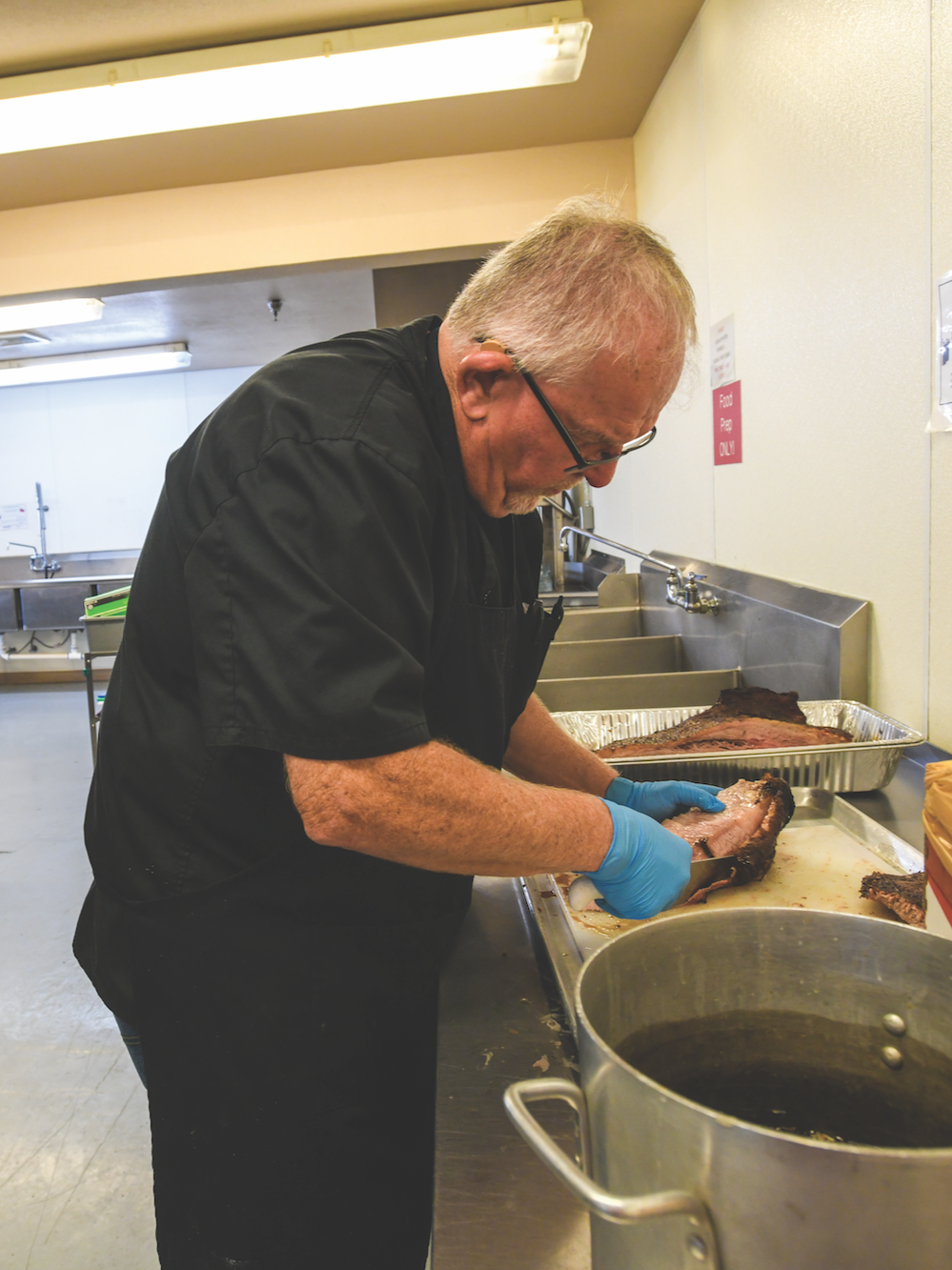
John Young owns The Ribber Catering, which was one of the early food-related businesses to use BIC’s commercial kitchen that opened in 2002.
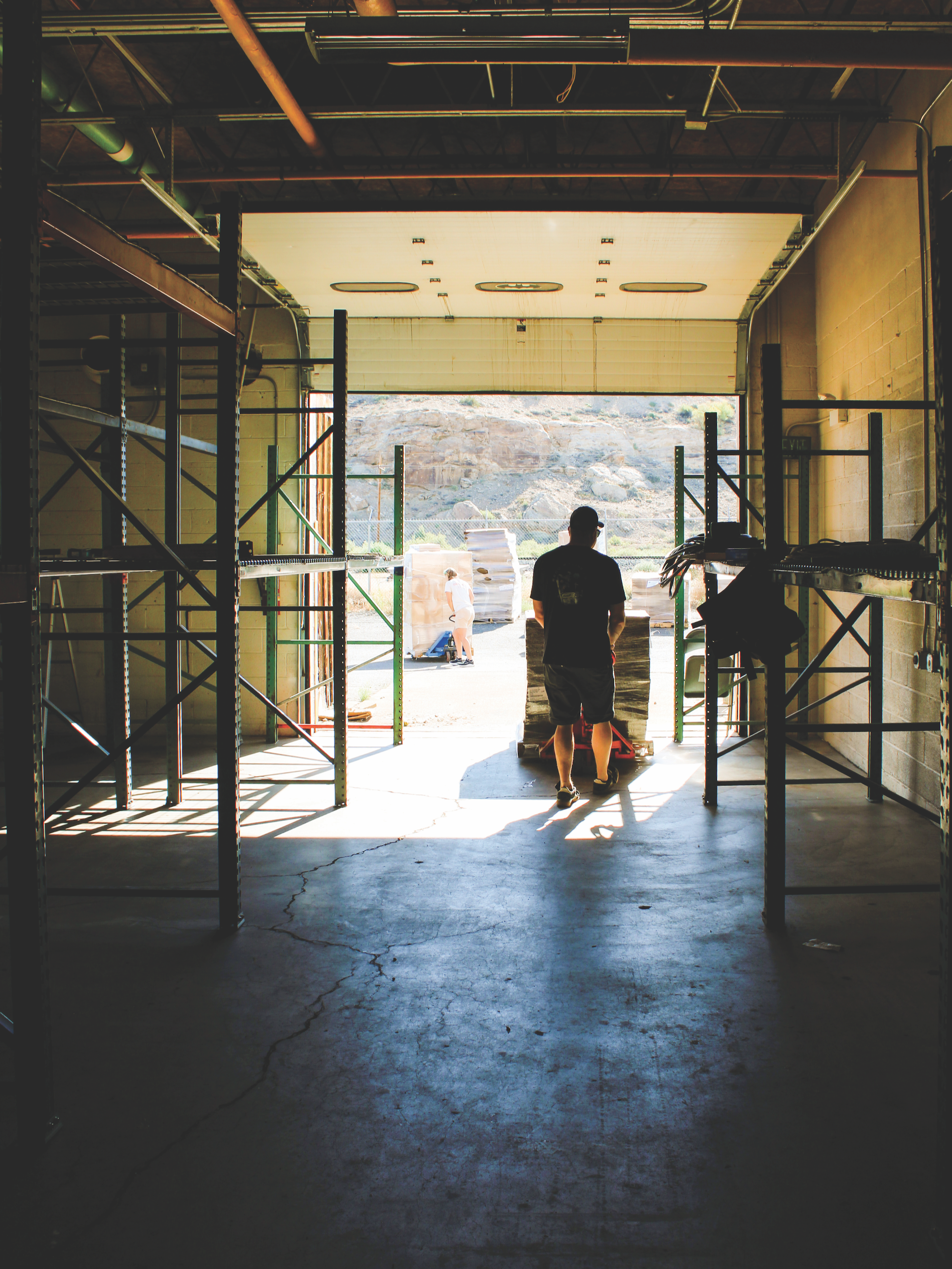
In April, Tobiq moved its product into BIC’s manufacturing building — “incentivized space” — that offers flexible, below market-value rates.
The BIC’s commercial kitchen has helped food trucks, catering businesses, bakeries and other food-related businesses get their start — like 67-year-old John Young who, after a career in retail management, was ready for a change. He purchased The Ribber Catering, an existing food truck company, which was one of the early food-related businesses to use BIC’s commercial kitchen that opened in 2002. The BIC allows its kitchen clients to rent the kitchen space indefinitely.
The Ribber Catering makes use of other BIC resources too. Young’s wife attended a bookkeeping class at the BIC to better understand cash flow, and he’s attended business classes, as well. Young says he especially appreciates meeting one-on-one with business counselors over the years.
Entrepreneurs can also rent other types of space for their operations. A Grand Junction-based travel bag company called Tobiq had been using a Salt Lake City (SLC) fulfillment center to ship its products. When the owners decided they wanted to relocate its fulfillment center to Grand Junction, a city official referred them to the BIC. “We had heard of BIC but didn’t understand the breadth of services,” says Janice Zollinger, Tobiq operations manager.
In April, the company began moving its product out of SLC, and into BIC’s manufacturing building — “incentivized space” — that offers flexible, below market-value rates “to help earlystage businesses get a leg up.” These spaces are available to lease for five years.
“They’ve been super accommodating; so supportive,” Zollinger says. “It’s an incredible community they have created. We’re grateful to be woven into it.”
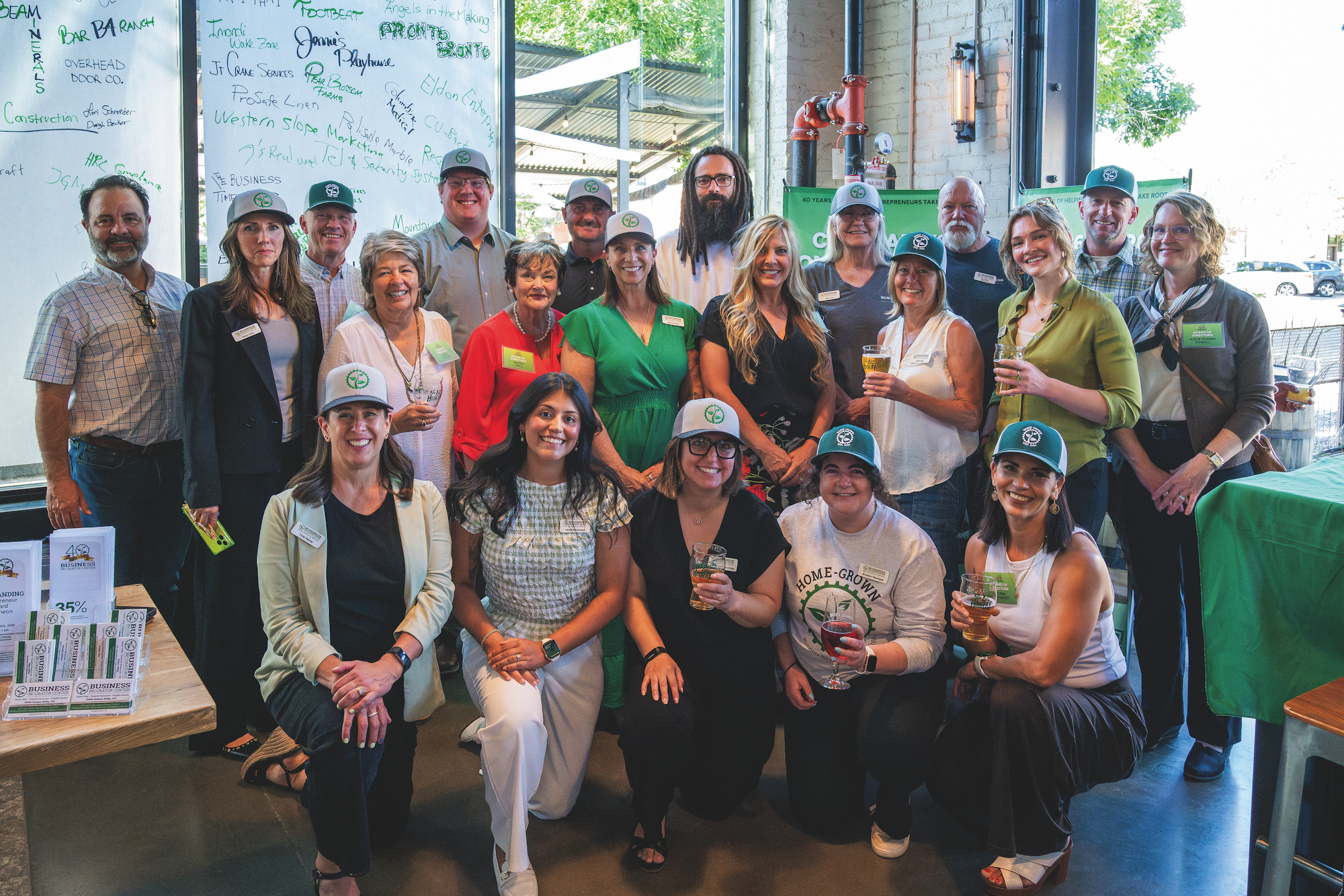
Business Incubator Center 40th anniversary team
GROWING A STRONGER BUSINESS COMMUNITY
The BIC, in partnership with the Colorado Department of Public Health and Environment, also helps companies establish and strengthen “circular business models,” with the end goal of creating end markets for recyclable materials, reducing waste and supporting sustainable economically-sound circular systems.
In 2025, BIC launched Camino al Éxito to support Spanish-speaking entrepreneurs, small business owners and startups in Western Colorado by providing resources in their native language, as well as access to valuable business tools.
The BIC will celebrate entrepreneurship on October 16 at the Grand Junction Convention Center, during its inaugural Entrepreneurship Exchange 2026, a forum that will take place annually to foster thought leadership and the exchange of ideas among entrepreneurs.
To nominate an entrepreneur for the event, or reserve a table, contact the Business Incubator Center or visit gjincubator.org.
Originally published in the fall 2026 issue of Spoke+Blossom.