

Every Drop Counts: In The Arid West, Water Is Precious And Increasingly Critical
Colorado’s (lack of) snowpack made national news this winter. When 2026 dawned with our mountains dressed only scantily in white, we chalked it up to a dry start. Surely the snow would come, right? But what storms passed through in the following months were stingy with the snow they offered and this winter’s unseasonably warm temperatures — the warmest on record in more than 100 years — were quick to compromise the snow that fell. By early March, most, if not all, Colorado ski resorts still did not have the snow necessary to fully open their terrain.
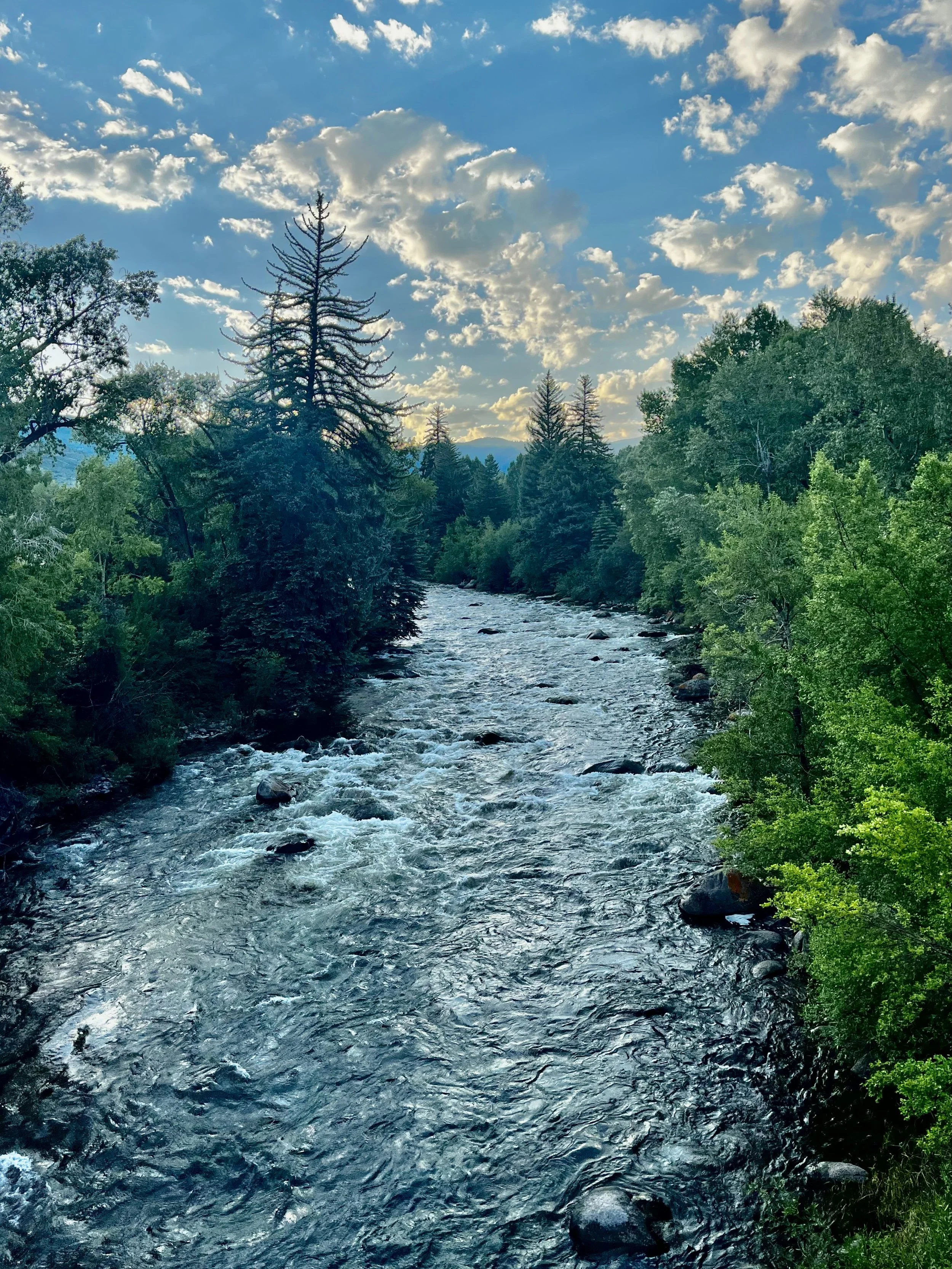
Photos courtesy of Eagle River Water & Sanitation District
At first, it was the skiers and snowboarders who prayed to the snow gods. Some attempted superstitious rituals like putting trail maps in the freezer and ice cubes down the toilet. By winter’s halfway point, everyone was watching the weather. Water and fire experts reviewed and updated emergency protocols. Suddenly, the lack of snow had much larger implications: extreme drought. And with it, increased threat of forest fires and water shortages.
A SEASON DEFINED BY SCARCITY
Colorado is no stranger to drought. As an arid state, we’re constantly cycling through various levels of drought. But water and fire experts say this winter’s lack of snow has put the Western Slope in extreme drought.
“Even if we’re lucky enough to have significant precipitation [this summer], it won’t necessarily be enough to get us out of the persistent drought we’ve been in for the last 10 years,” says Hannah Olson, Summit Fire and EMS wildland specialist, speaking on Colorado as a whole.
The Eagle Valley is the mountain region along the Eagle River in Eagle County, anchored by the town of Eagle, and known as a headwaters region. As the snow in the mountains above melts, it feeds rushing streams that flow downstream into rivers, like the Eagle, that then feed into the Colorado River, which carries water through six states after ours.
Water experts measure the snowpack in terms of its snow water equivalent (SWE), which means how much water that snow would produce.
“We are at a record low, statewide,” says Tony LaGreca, stewardship manager with Colorado Water Trust. “We would have to get well above average for the remainder of the year just to get back to median.”
By the end of February, the Eagle River SWE was at 6.3 inches, he explains. That’s nearly half the average SWE of 11.8 inches and substantially below the previous recorded low of 8.1 inches. Each day, each week and each month that passes without significant snowfall or precipitation, the more that is necessary to recover — and the more unlikely our current drought situation will turn around any time soon.
This affects each and every one of us, whether we live here full- or part-time, or are here as visitors. We can add to the problem or be a part of the solution.
“The environmental impacts are vast,” says Shawn Bruckman, board president for the Eagle County Conservation District. Not only do severe drought and water shortages affect our ecosystems, but the impacts go “all the way up the food chain, all the way to our fisheries, wildlife and our food systems. It impacts everything.”
LaGreca compares low water in a river to a pot of water on the stove. The less water in the pot, the quicker it boils. “Rivers work the same way,” he says.
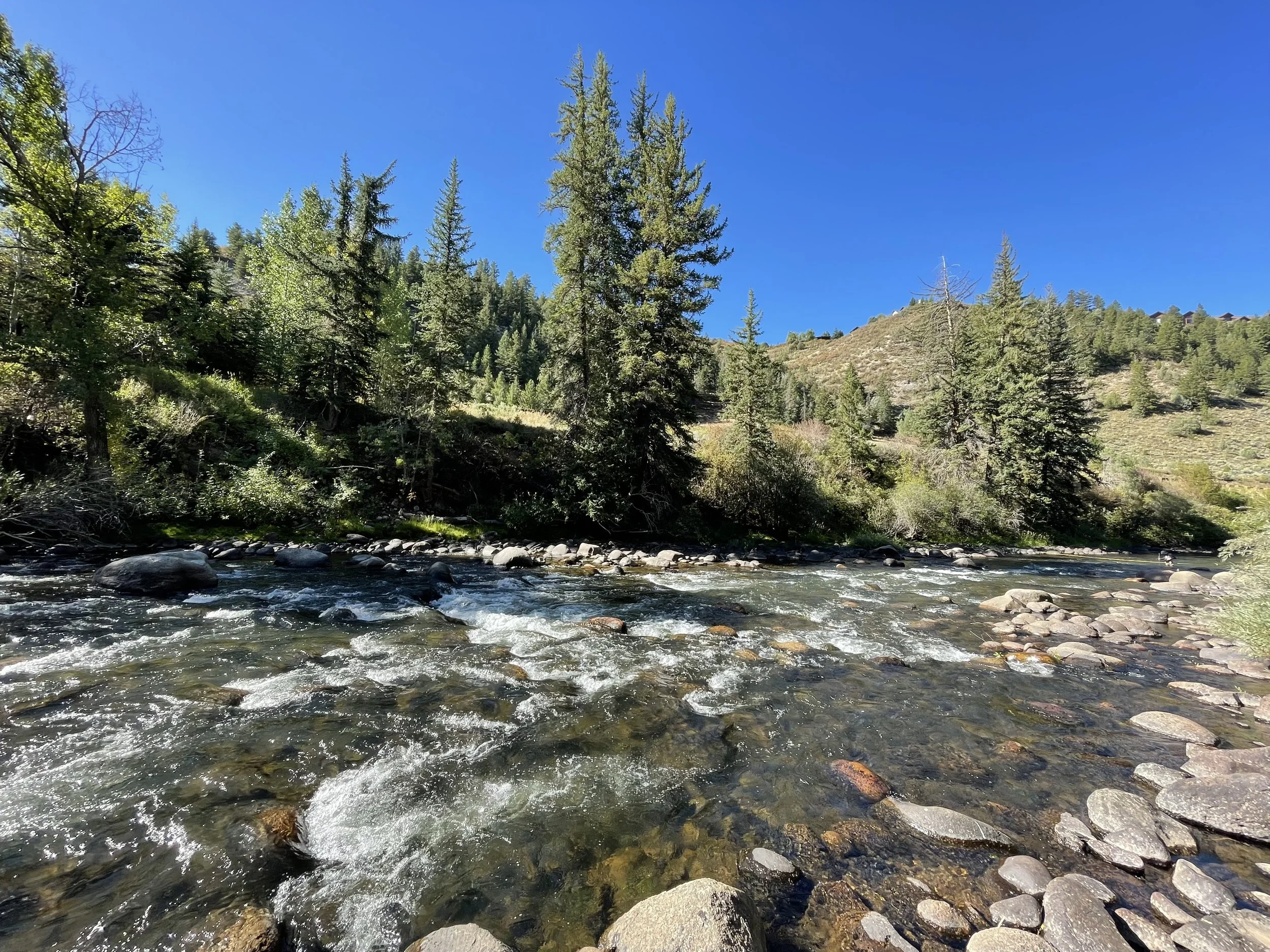
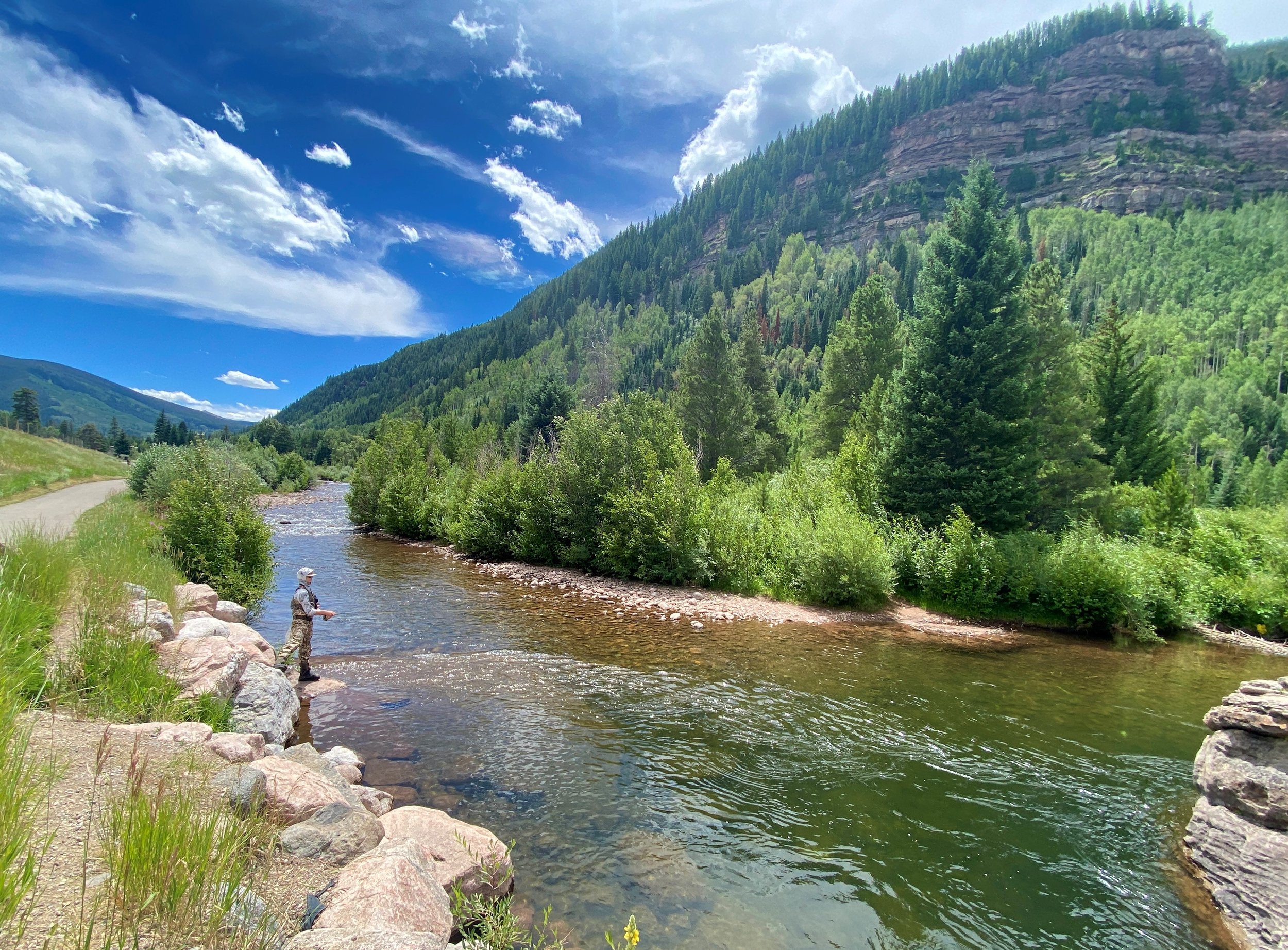
As water temperatures increase, dissolved oxygen drops, which puts stress on cold water fish, like trout. Low water and high temperatures can threaten fish survival, as well as the insects and macroinvertebrates they depend on for food. In extreme cases, rivers can dry up.
“If you have the river dry up, then anything that requires water to live dies,” LaGreca explains. “That’s a sad picture to imagine. These effects are not a season long. We’re talking about long-term effects on river health.”
THE DOWNSTREAM REALITY
Low water in our rivers also means potential shortages among all of us who use it.
Water in the West is allocated by rights. When there is a shortage, senior water users get priority over those with a junior right. Take the Shoshone Hydroelectric Generating Plant in Glenwood Canyon, for example. If there is not enough water in the river for the power plant, the state will shut off water to any junior users upstream — farmers, ranchers and municipalities included.
In February, already anticipating shortages this summer, the Eagle Water and Sanitation District (ERWSD) updated its water shortage response plan, with clearly defined emergency stages (similar to the various levels of fire bans) and a penalty structure that increases with each stage, according to the amount of water usage.
The ERWSD uses snowpack as well as the drought index, low and peak stream flows and reservoir levels to determine its response strategy. Fortunately, local reservoirs are nearly full heading toward summer, but “those reservoirs are kind of on the lag, so what happens in 2026 will definitely impact 2027,” explains David Norris, ERWSD director of business operations. “If we don’t do extreme conservation measures in 2026, then we will more likely be looking at a situation in 2027 where we might have to declare an emergency. In an emergency, there is no outdoor watering.”
The organization started its “Live Like a Local” campaign to help residents and visitors understand what it means to live where water is such a precious — and often unpredictable — resource.
“That means embracing native landscaping and respecting our water,” says Lauren Snyder, ERWSD public relations manager.
ERWSD groups its residential customers in five tiers, by water use, and is working to get all customers within the first two tiers. The higher the tier, the costlier the fines. Homeowners in tiers four and five average more than 30,000 and up to 150,000 gallons per month during summer’s irrigation season.
“This is egregious,” Norris says.
LEARNING TO LIVE WITH LESS
Water experts stress it is not only the wasteful water users that must change their habits.
“The Colorado River system, in general, has been operating well below storage in our biggest buckets — Lake Powell and Lake Mead — for a very long time,” LaGreca says. “We’re getting close to critical levels where there’s going to be some pretty drastic and mandatory water cuts.”
Bruckman agrees. “We don’t anticipate that the [water] demand or the dryness will go away, so we need to be continuously changing our perception [toward water] and trying to build our resilience as a community,” she says.
Our current situation may improve, but the hope is that we each take this year as an opportunity to examine our water use and make long-term changes.
“If you already try to reduce your water use, try even further,” LaGreca advises. “Try to raise the bar for yourself this year, because every drop is going to count. It’s all one big watershed. What we do in Colorado matters and affects what happens through much of the western United States.”
Originally published in the summer 2026 issue of Spoke+Blossom.