

Transformation In A Can: Snow Capped Cider Redefines Colorado Cider, One Harvest At A Time
Picture fall in Western Colorado: apples ripening beneath brilliant blue skies, cool nights settling over the orchards, harvest inching closer.
Except it never really begins the same way.
At Snow Capped Cider, nestled beneath Grand Mesa, no two growing seasons unfold alike. One year brings a late bloom. The next arrives six weeks early. Hail, frost, heat waves and drought can alter the course of an entire harvest in a matter of hours. For owner and head cidermaker Kari Williams, transformation is the rhythm of the work.
“The fruit really dictates our timing, and that shifts every year,” Williams says. “The longer I’ve done this, the less interested I’ve become in trying to predict everything. Farming has a way of humbling you.”
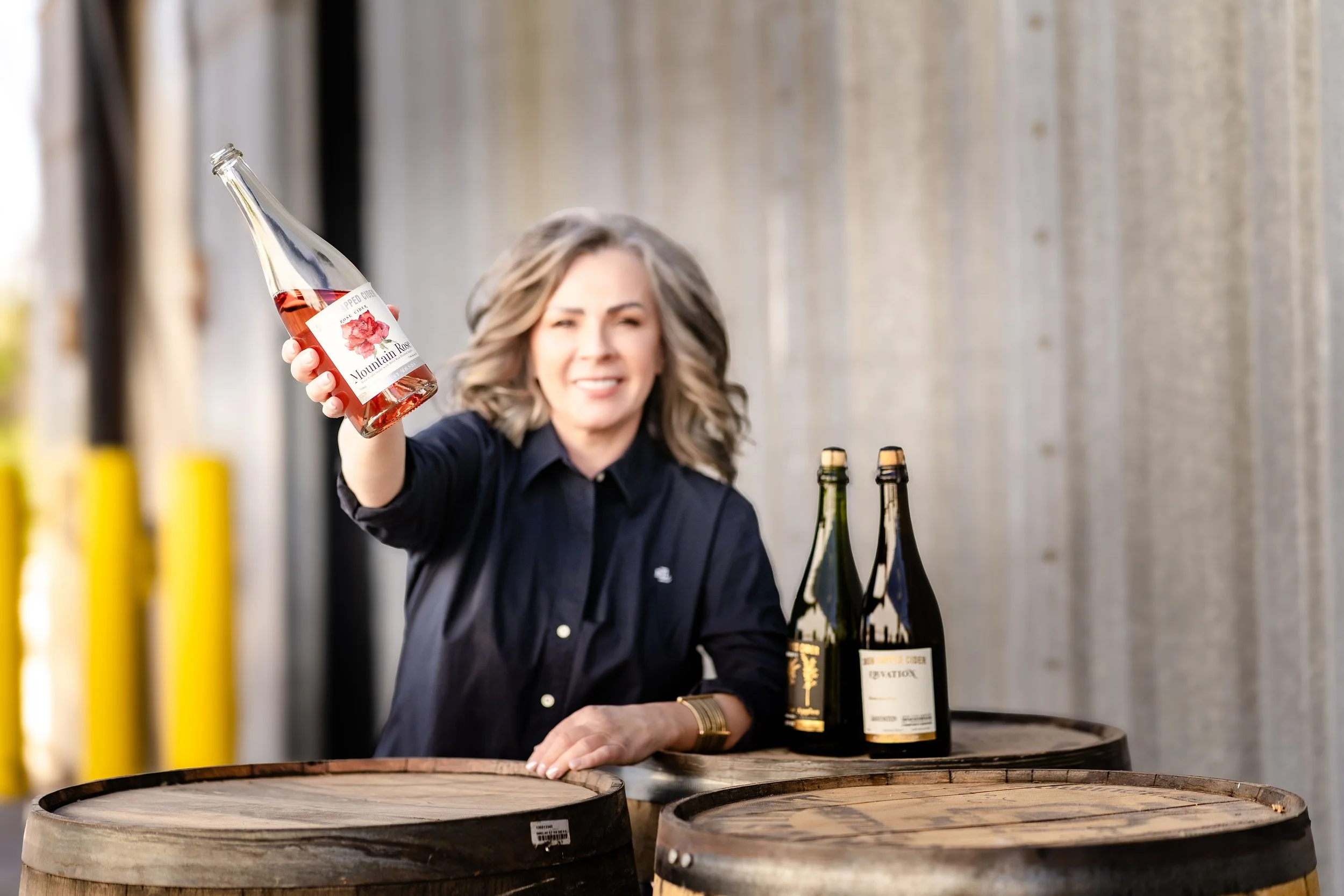
Snow Capped owner and cidermaker Kari Williams. Photos courtesy of Snow Capped Cider.
That humility has become one of Snow Capped’s greatest strengths. The cidery recently earned its third consecutive Great Lakes International Cider and Perry Competition Producer of the Year - Midsize title — a rare accomplishment in what is widely considered the world’s largest commercial cider competition. Williams sees the recognition as evidence that consistency comes from remaining adaptable. Water availability changes. Frost leaves its mark. Intense ultraviolet exposure at elevations between 6,130 and 7,000 feet concentrates flavor while cool nights preserve acidity. Even apples from the same trees express themselves differently from one vintage to the next.
“The process is never as dialed in as it may appear from the outside,” Williams says. Each harvest calls for adjustments based on water availability, heat exposure and frost. “Every cider apple brings its own distinct bouquet, flavor profile and balance of sugar, acidity and tannin,” she adds, “and every season expresses those traits differently.”
Most of the year is spent in the orchard, not the cidery. Across roughly 600 acres of fruit, each day revolves around observation: monitoring for disease after storms, managing weeds and pests, irrigating with generations-old snowmelt systems and simply paying attention to what the trees need. Those details accumulate over decades.
Williams’ family has farmed the land for five generations, and each generation has reshaped the orchard. Some changes happen quickly through replanting or irrigation improvements. Others require years of patience. Red-fleshed cider apples took nearly a decade before producing usable fruit. Rebuilding rocky mesa soil has been an even longer project.
“I’ve come to see transformation less as a single moment and more as a long process,” Williams says. “You’re always deciding what to preserve, what to replant and how to prepare it for the next generation.”
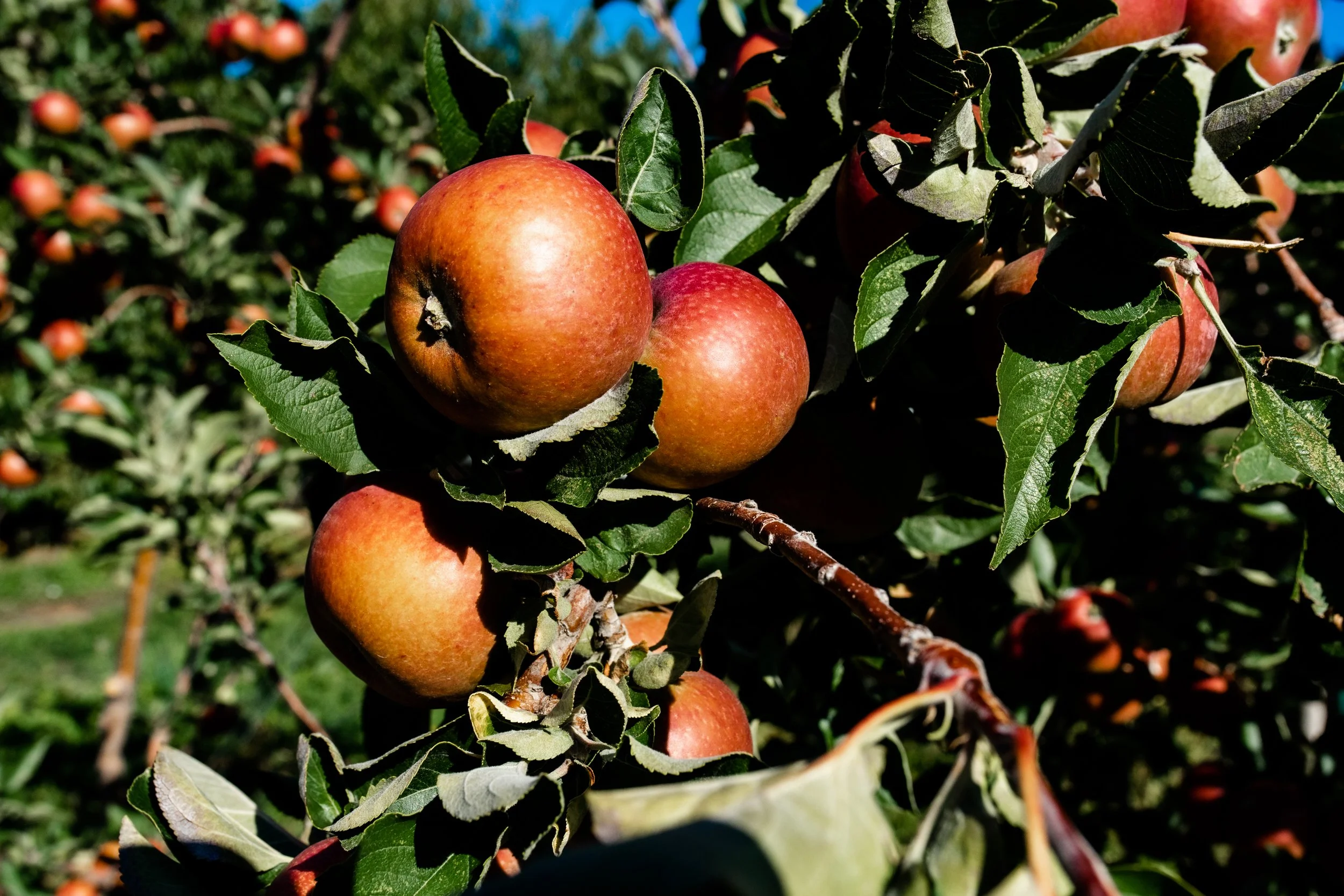
That long view is evident in the cider itself. Williams has devoted years to cultivating traditional English and French bittersweet cider apples — varieties prized for their tannins, structure and complexity but largely unfamiliar to American drinkers. This year’s releases include a single-varietal French bittersweet cider made from Binet Rouge alongside several new French-inspired bottlings. The cidery is also exploring co-fermented wine-cider hybrids, natural ciders and expanded sparkling wine production.
“There are hundreds of these old cider apple varieties, each with its own history,” she says, “but many faded out as modern cider styles took over the industry.” Bringing them back so they don’t disappear is part of what drives her work. “When someone tastes one of these ciders,” she adds, “they’re experiencing a flavor that had nearly been lost.”
Perhaps the greatest transformation Williams hopes to inspire happens around the tasting table. Many consumers still associate cider with something sweet and simple. Williams believes fine cider deserves the same conversation as wine because it expresses vintage, variety and terroir with equal precision.
“Our elevation, cool nights, UV exposure and the specific varieties in our orchard all show through in the final product,” she says. “When someone tastes our cider and starts asking where the apples were grown, what the season was like or why a variety tastes the way it does, that’s the moment it stops being just a drink and becomes about farming, place and fruit.”
Originally published in the fall 2026 issue of Spoke+Blossom.