

Olathe Sweet Corn: 48 Farmers Battle Drought To Save The Harvest Of Sweet Tradition
For foodies who celebrate summers, savoring the state’s celebrated sweet and succulent fresh produce, the season is always too short. Sadly, this summer was even shorter.
Last winter’s lack of snowfall garnered national attention when ski resorts in Colorado and across the West struggled to open terrain for their guests. When the state’s snowpack remained scant into spring, talk turned beyond its impact on snow sports. Snow is Colorado’s lifeline, its main water source. The consequences of the meager winter reach far beyond outdoor recreation and our tourism economy; it also means water shortages, increased fire danger — and hindered food production.
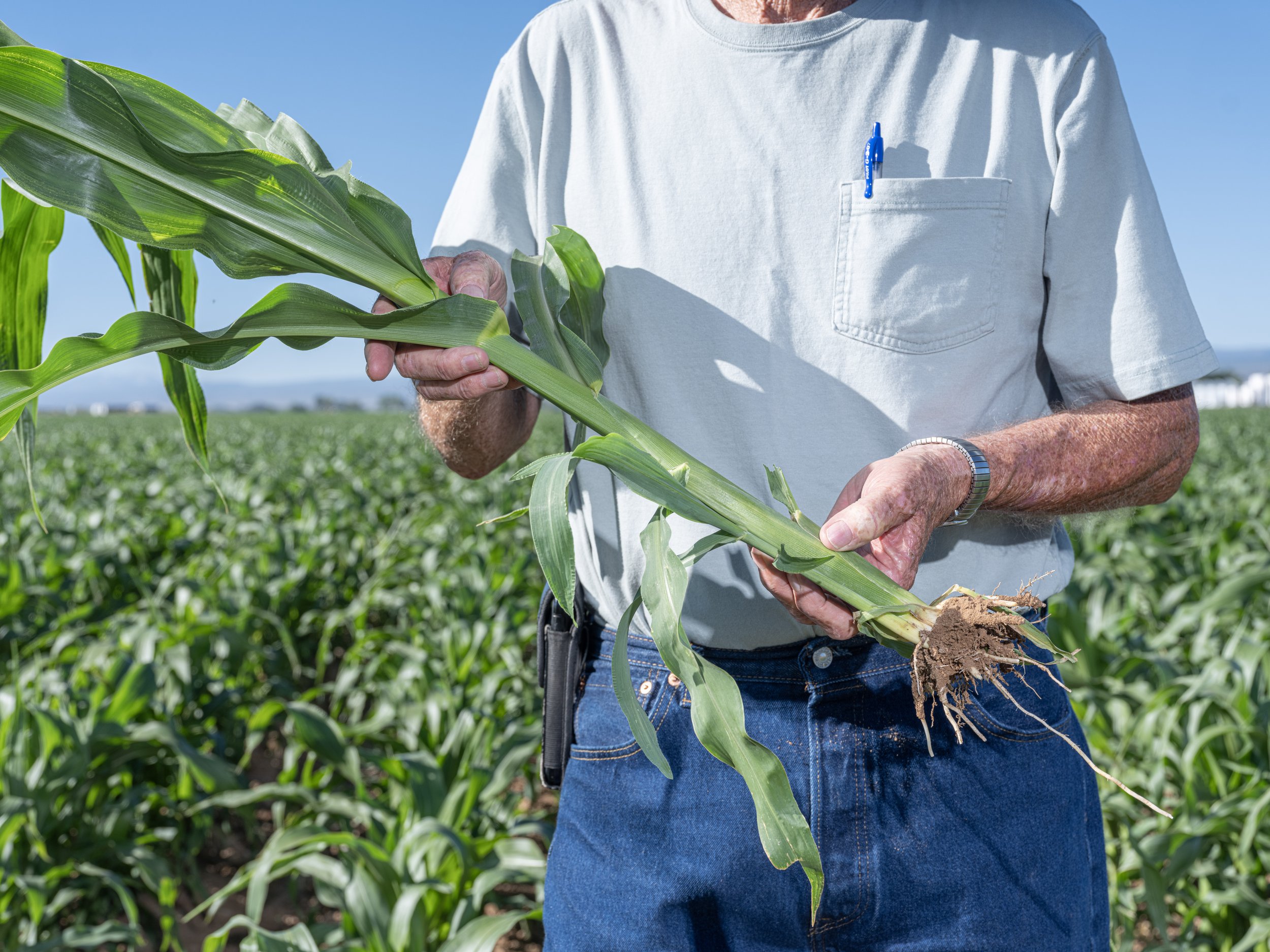
Olathe sweet corn has been a Colorado staple for more than 40 years, but this year’s drought forced producers to scale back production. For many, including Reid Fishering, owner of Delta County farming collaborative Mountain Quality Farms, the season that would typically stretch through September ended nearly a month early.
The lack of water didn’t just cost those farmers a month of production; they were also able to plant only half of their total acreage. It comes on the heels of five difficult seasons, as corn producers in the area battled an infestation of bugs that ate into their crops — and their profits.
“There’s not many businesses that would go into the season just hoping to break even,” says Fishering, who left agriculture for a stint in finance before returning to the farm. “As farmers, we have to take a longer-term approach. It’s tough, but it comes with ebbs and flows. We hope this is just one of the ebbs.”
David Harold tells of similar struggles at Tuxedo Corn Company, his family’s farm in Olathe. His father, John, trademarked the name food “Olathe Sweet” and was literally the face of the Olathe corn at Kroger stores.
But as Tuxedo Corn Company worked to improve its product through better soil and environmental health practices and fair wages for laborers, the Harolds stepped away from Kroger in search of a more direct, transparent path to their customers.
It was a financially risky move, and it’s been compounded by the drought.
In a record year, Tuxedo Corn Company has produced near 650,000 boxes of corn. In an average year, around 300,000. This year, they are well below 100,000. By August, the Harolds had planted crops to be harvested at the end of September. It was yet another gamble. If their water is shut off early, those crops will be lost.
Yet they persevere.
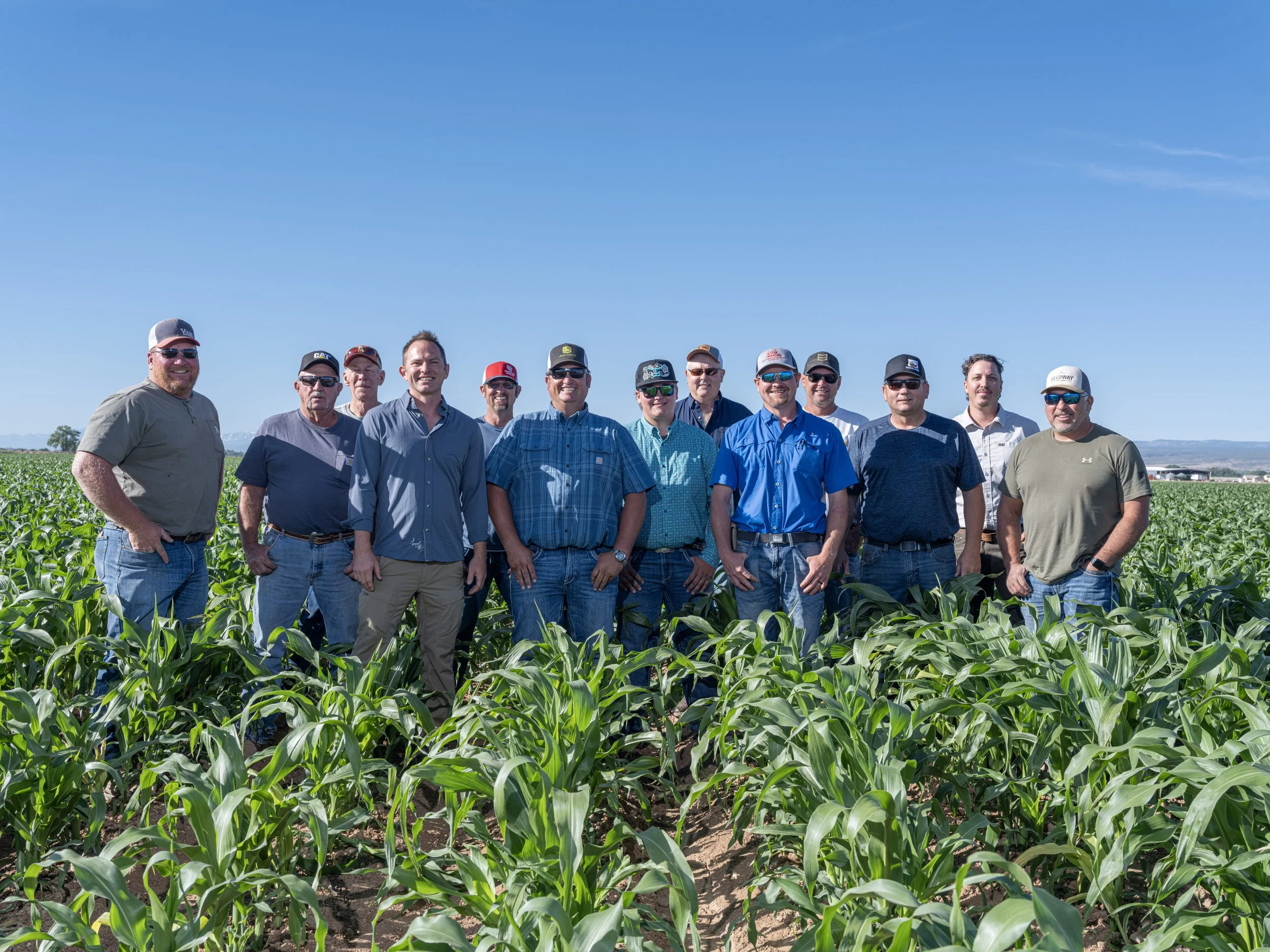
It’s clear these farmers care more about their customers than their profits. Fishering has worked hard to “trim the fat” to keep his prices below the rate of inflation, despite the surging prices of gas and supplies to operate.
“There’s something about growing something tangible, that’s going on the dinner plate, that hell or high water, you’re going to figure out a way to get it done,” Fishering says.
Meanwhile, the people at Tuxedo Corn Company are working to forge a new, and transparent, relationship with their customers.
Oftentimes, Harold will sell corn from the back of the truck. When he meets a customer who hasn’t tried “Olathe Sweet” corn, he grabs an ear, peels back the paper-thin husk and offers it to them so they can taste how Olathe’s elevation, hot days and cool nights create its unique, sweet flavor. Raw is Harold’s favorite way to eat corn, just like he did as he walked through the cornfields as a child.
Farming, he says, often feels like a rollercoaster ride, especially this year.
“Sometimes I feel like it’s hopeless and there is no way I can win,” Harold says. “But I love it. I love the challenge. People need to eat. There’s hope. I can do good things.”
Originally published in the fall 2026 issue of Spoke+Blossom.