

25 Years Of Sleeping Under The Stars: Q+A With Bill Gamber, Co-Founder + President Of Big Agnes
Twenty-five years ago in Steamboat Springs, a small idea centered on making nights outside more comfortable sparked what would become one of the outdoor industry’s most recognizable brands. Since then, Big Agnes has helped shape the way people camp, proving that lightweight gear and livability do not have to exist at opposite ends of the trail. As Big Agnes marks its 25th anniversary, Big Agnes co-founder and president Bill Gamber reflects on the early days, the evolution of outdoor gear and what still inspires him after a quarter-century of helping people get outside.

Photo courtesy of Big Agnes
Big Agnes is celebrating 25 years this year. When you look back at the early days in Steamboat, what stands out most about how the brand began?
When we launched Big Agnes, we had no idea what the company could become. We started with sleeping bags and pads, and the simple idea of helping people be more comfortable when they were camping and backpacking. A big part of that was keeping a bag and pad together so people weren’t sliding off in the night. That idea started to take off, and from there we expanded into tents and eventually into a much broader camping collection.
What stands out most is that every day was fun. Our customers and staff were all super psyched on camping and the outdoors, and that enthusiasm has always driven us. Camping is fun, and we want to keep it that way.
Over the last two decades, outdoor gear has become noticeably more versatile, livable and design-forward. Where do you feel Big Agnes helped shift the conversation or industry expectations?
We’ve always been focused on making gear that our team and our friends would actually want to use out there. Keeping the camping experience comfortable while still pushing the limits of weight and packability has always been the challenge we come back to. Doing that well means using the best materials we can source and being thoughtful about every design decision.
I think Big Agnes helped show that lightweight gear could still be comfortable, livable and easy to use. You shouldn’t have to give up a good night’s sleep or a functional shelter just because you’re trying to keep your pack weight down. We still think of ourselves as a scrappy outdoor gear company with a staff that would rather be outside testing gear than sitting at a desk, and that attitude has pushed us to make better products year after year. At the end of the day, we’re trying to make the best gear we can and get it into as many people’s hands as possible.
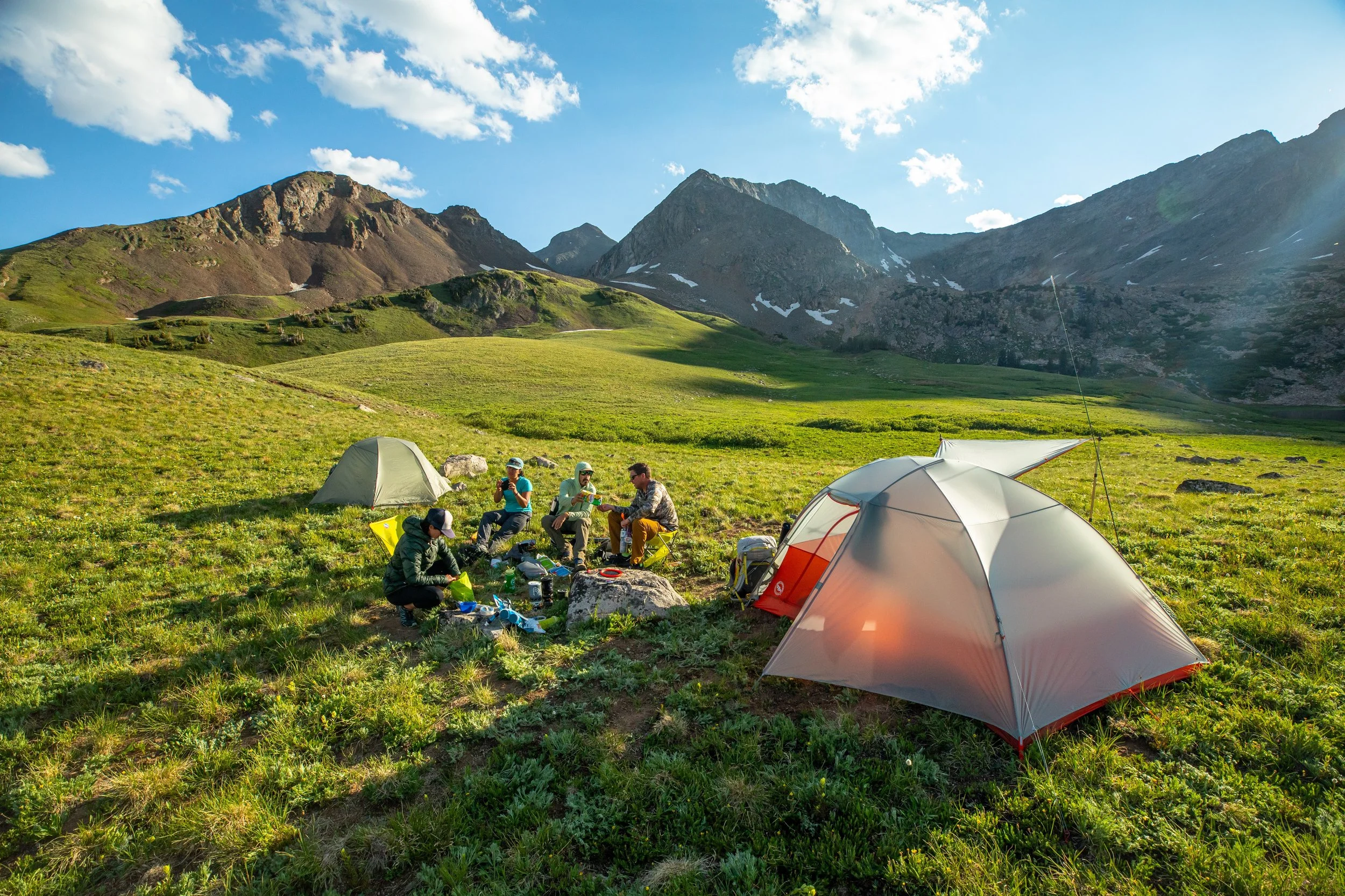
Photo by Noah Wetzel
Colorado and mountain-town culture have always felt tied to the brand’s identity. How has Steamboat shaped the philosophy and personality behind Big Agnes over the years?
Big Agnes was born and raised here in Steamboat Springs, a town with great access to year-round outdoor recreation and just a short drive from the Continental Divide Trail. Our team gets outside in different ways all across Colorado and neighboring states, which makes this a great place to put gear through its paces across different environments.
We like to think our people define the culture more than the location does, but the two go hand in hand when you’re based in a mountain town. Steamboat has shaped us, but so has the team who show up here every day excited to make gear and then go use it.
Sustainability and durability have become increasingly important in the outdoor industry. How has Big Agnes approached that evolution while continuing to innovate?
Gear that lasts is gear that stays out of a landfill, and that thinking runs through everything we do, from how we build our products to how we support them after the sale. Our repair program is a huge part of that commitment. We would rather help someone fix a torn mesh or a worn zipper and keep that gear in the field than see it replaced before its time.
Our approach has always been to find materials and construction methods that are genuinely better than what came before. HyperBead is a good example of that. Rather than swapping one DWR treatment for another, we developed a proprietary fabric technology that is inherently waterproof at a molecular level, with no added DWR treatments or coatings. It also happens to be lighter and stronger than traditional tent fabrics. That is the standard we hold ourselves to: if we are going to make a change, it should be a real improvement across the board.
We’re applying that same thinking across our entire line, from recycled materials in our sleeping bags and pads to bio-based foams and circular product concepts designed with end-of-life recyclability in mind. There is still plenty of work ahead, but we are committed to doing it right.
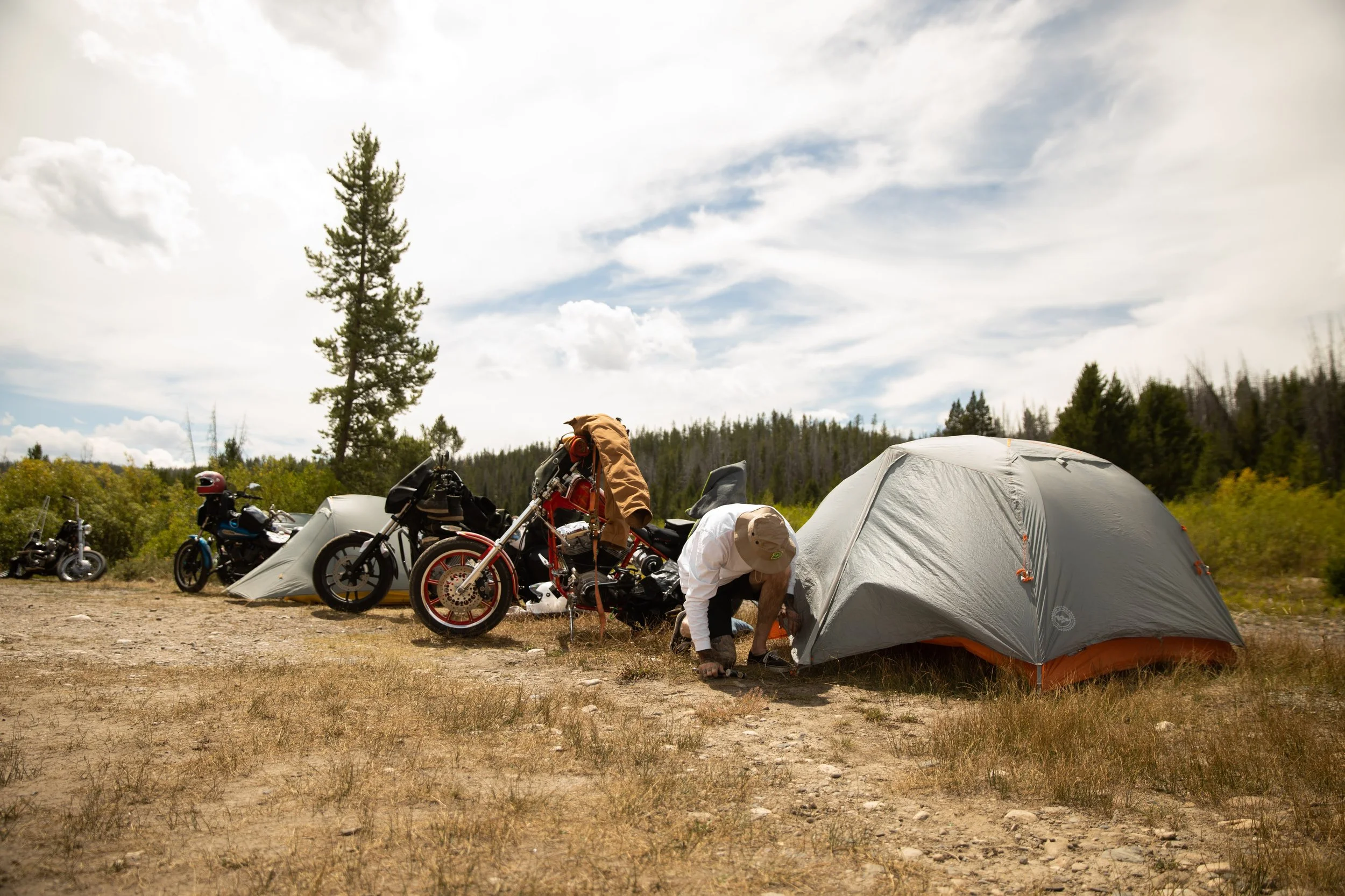
After 25 years of building the brand, what still excites and inspires you most about helping people get outside?
I still get jazzed when I pull up to a campsite somewhere off the beaten path and see a well-used Big Agnes tent at a neighboring site. Or when someone lights up telling me how impressed they are with a piece of gear they’ve had for years. Stories like that never get old, whether it’s someone raving about their gear or telling me how our repair team helped sew up a tear in their mesh from a dog that made a break for it in the night. Those are the things that remind me why we do this.
Our mission is to inspire people to get outside and be comfortable and happy out there, so anytime I hear a story about how we played even a small part in that, it gives me motivation and keeps me excited to keep doing what we do.
Originally published in the summer 2026 issue of Spoke+Blossom.