

Direct Primary Care On The Western Slope
Most doctors want to spend their careers caring for people, not typing out billing codes and filing referrals. But, once insurance companies get involved, patients can be reduced to numbers while providers are pushed to see as many as possible to maximize profits.
Dr. Craig Gustafson, a family medicine physician in Grand Junction, describes the system as a “hamster wheel” that doesn’t function in the best interests of patients or physicians — particularly in primary care.
So, he got off the wheel, and he’s not the only one.
After a decade working in an insurance-based practice, Gustafson started Appleton Clinics in Grand Junction in 2014, one of the first direct primary care (DPC) practices in Western Colorado. Now, there are plenty to choose from.
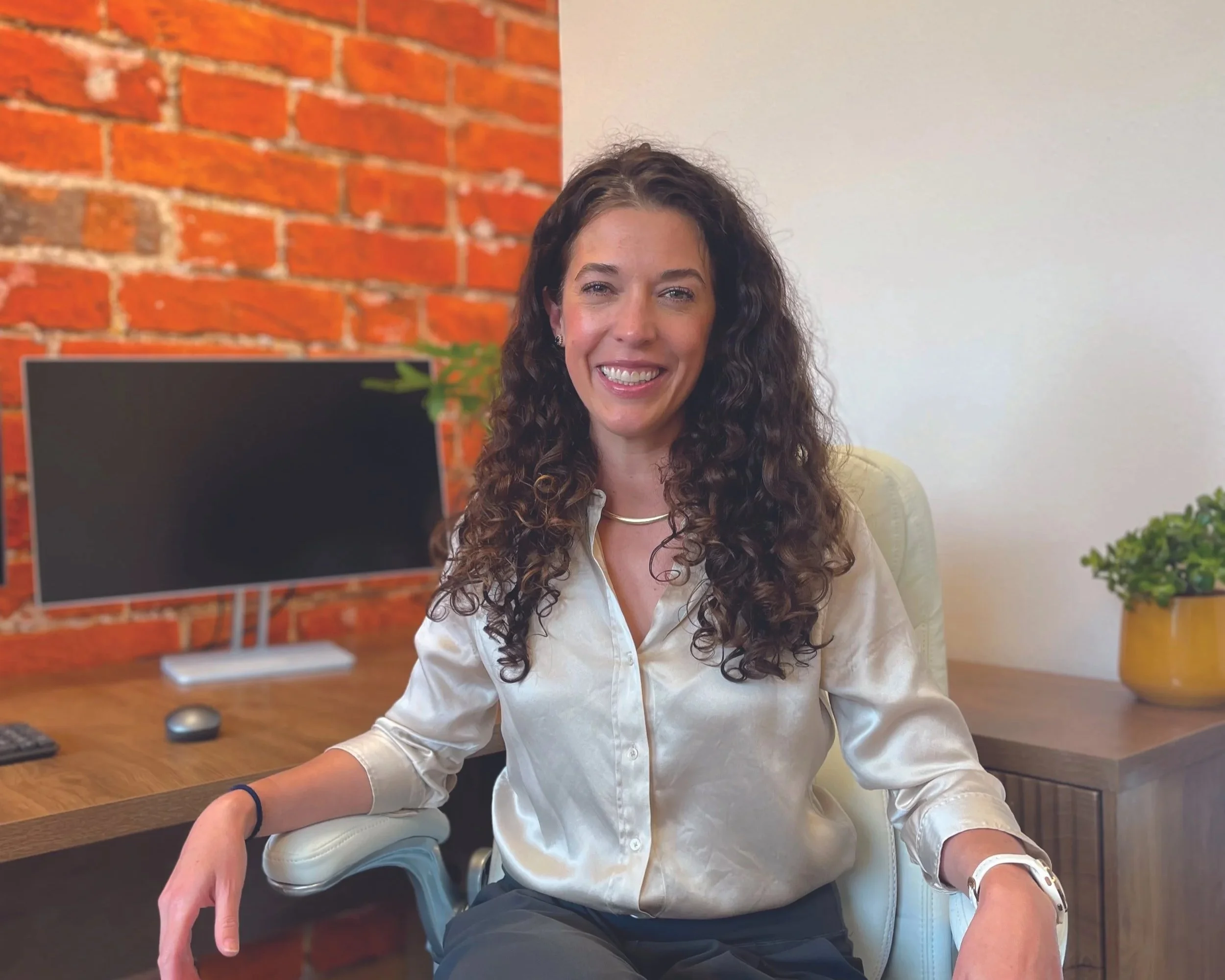
Dr. Katherine Stephens is a family medicine doctor in Montrose. Photo by Kylea Henseler.
PRIMARY CARE, WITH EMPHASIS ON THE ‘CARE’
Under the DPC model, there is no guesswork, no insurance and no BS. Patients pay a flat monthly fee for clinic membership and receive primary care from a doctor who is easy to reach, readily available and focused on care — not billing.
“I work for the patient in front of me, not their insurance carrier,” Gustafson says.
Primary care doctors are often the first line of defense in healthcare, managing everything from acute infections and injuries to prescriptions and chronic illness. But with thousands of patients to juggle, insurance-based practices often can’t provide the timely, in-depth appointments patients need.
While every clinic is a little bit different, DPCs generally manage a much smaller patient panel, allow longer and more frequent appointments, and make their doctors easily available to clients.
“People like it because they know that they’re getting high quality, accessible care,” says Dr. Katherine Stephens, a family medicine doctor in Montrose. She recently opened Cimarron Family Practice, where she allows patients unlimited visits and calls during office hours and has an app where they can also message her with questions.
Stephens began her medical career in the United Kingdom, where she practiced in both the public and private sectors before moving to the U.S. After working in private practice in both countries, she decided to start her own business as a DPC so she could focus on spending more time with her patients and less on her computer.
“My main aim is to give patients the attention they need without burning out myself,” she shares.
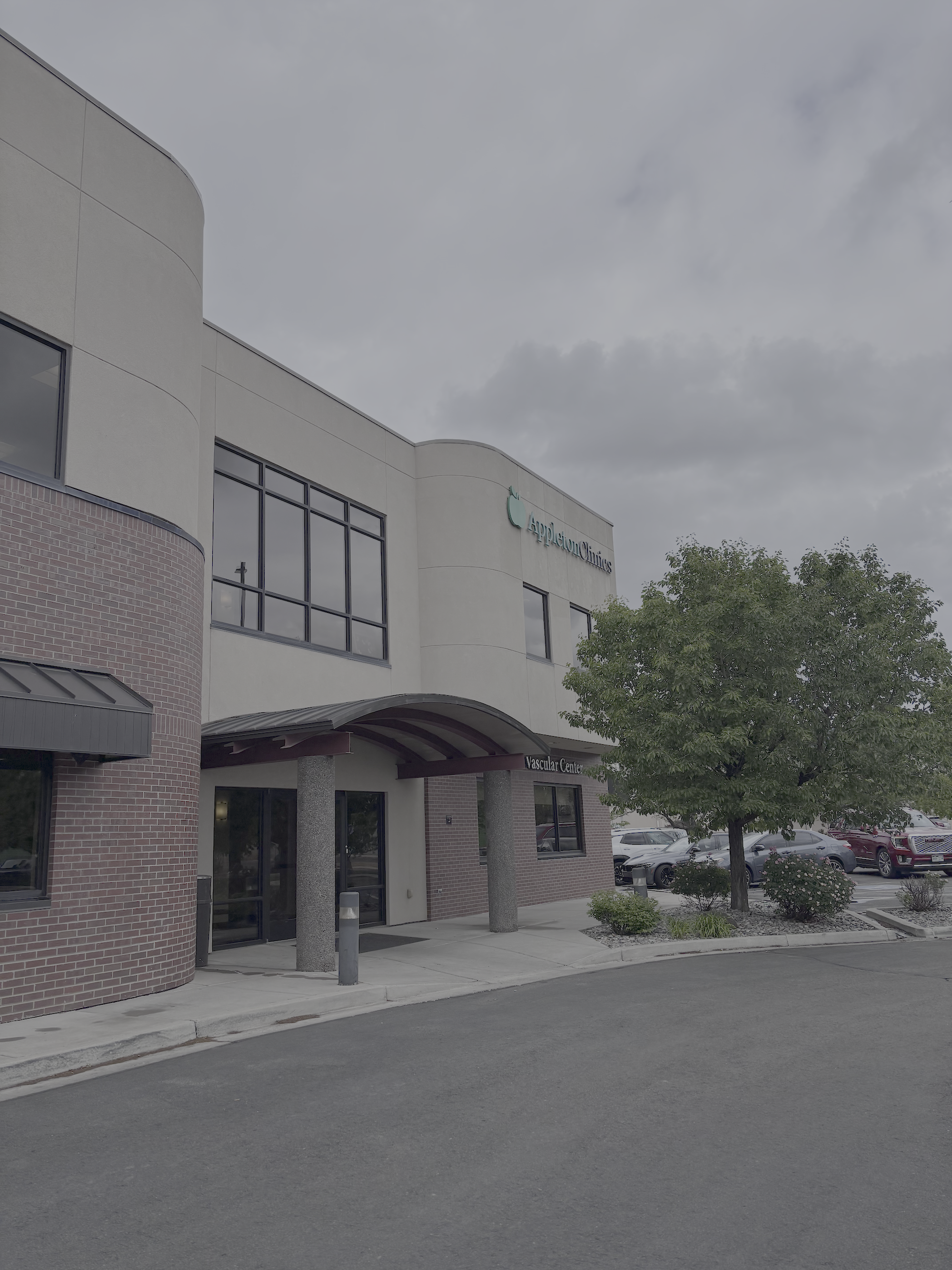
Appleton Clinics in Grand Junction. Photo by Kitty Nicholason.
TO DPC OR NOT TO DPC?
While DPC may not be the most common model, it’s growing rapidly. According to a Harvard study, the number of concierge and DPC practices in the U.S. increased by 83% between 2018 and 2025, while the number of clinicians grew by 78%.
Gustafson notes that DPC and concierge care aren’t quite the same thing. Concierge practices are often seen as a luxury — billing insurance on top of a retainer fee — while DPC, he says, is for everybody.
“I can’t think of anyone who wouldn’t be an ideal candidate,” Stephens agrees. Her practice charges single adults $125 per month or $1,250 per year, with special pricing for couples, children and employers, though as with many direct primary care practices, a one-time registration fee also applies. Appleton, for another example, costs $99 per month, with discounts for paying a full year in advance and for children, and also charges a one-time enrollment fee.
In a nutshell, the prices aren’t crazy, but they aren’t nothing.
Gustafson explains that patients without health insurance may see DPC as a more affordable option to get some of their needs met, while patients with health insurance may see the value in fast, transparent care.
His practice, like many DPCs, offers extras such as annual well-woman exams, procedures like lesion removal, casting and stitching, and discounted imaging like MRIs and ultrasounds. Of course, some things still call for an ER or specialist visit — Gustafson acknowledges it has its place for major interventions like open heart surgery.
Stephens advises patients considering DPC to read reviews and meet their potential doctors, and says, “Don’t feel bad if it’s not a good fit.”
“Trust your gut,” she says. After all, building a relationship with a doctor you can trust is what this model is all about.
To find a DPC near you, check out online resources such as mapper.dpcfrontier.com and dpcalliance.org/find-a-dpc-physician.
Originally published in the summer 2026 issue of Spoke+Blossom.